The Ultimate Guide to Buying Shoes: How to Choose the Right Pair Every Time
Introduction
Walk into any shoe store and you’ll be hit with a wall of options—running shoes, sneakers, boots, sandals, dress shoes—all promising comfort, durability, and style. It’s overwhelming, and if you’ve ever bought a pair of shoes only to have them pinch your toes by week two, you know the frustration of getting it wrong.
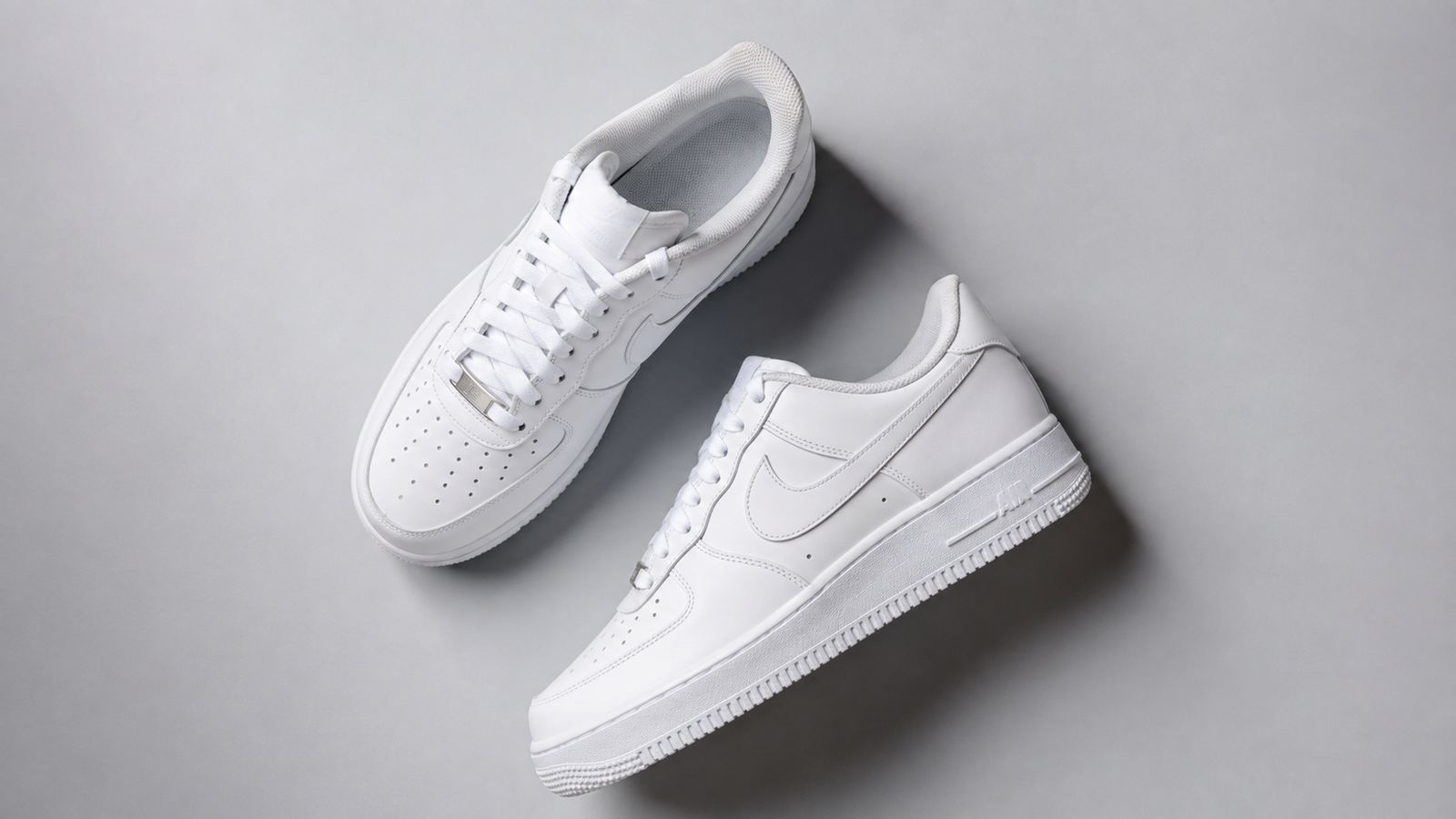
The truth is, buying shoes isn’t just about picking whatever looks good on the shelf. It’s about understanding your foot type, your daily activities, and how different materials and constructions hold up over time. Whether you’re shopping for everyday sneakers, athletic shoes, or a versatile pair like the Nike Air Force that works for almost any occasion, a little knowledge goes a long way.
In this guide, you’ll learn how to choose shoes that actually fit, what to look for in quality construction, how to care for your shoes so they last longer, and why certain styles—like the Nike Air Force—have earned a permanent spot in wardrobes around the world. By the end, you’ll be able to walk into any store (or browse online) with confidence instead of guesswork.
Shoes are one of those purchases everyone gets wrong at least once.
Shoes aren’t just an accessory—they’re the foundation, literally, of how your body moves through the day. Poorly fitting shoes can lead to blisters, bunions, back pain, and even long-term joint issues. On the flip side, the right pair can improve your posture, reduce fatigue, and make everyday walking feel effortless.
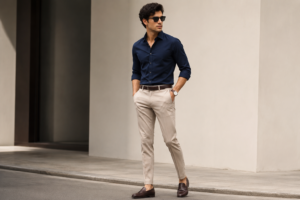
Beyond comfort, shoes also play a big role in how you present yourself. A well-chosen pair can pull together an outfit, signal professionalism, or express personal style. This is part of why certain models, like the Nike Air Force, have stayed popular for decades—they manage to balance comfort, durability, and style in a way that few shoes do.
The Cost of Buying the Wrong Shoes
Buying shoes that don’t fit properly isn’t just uncomfortable—it’s expensive. Ill-fitting shoes wear out faster, require more frequent replacement, and can even lead to medical bills if foot problems develop. Investing a bit more time (and sometimes money) upfront in the right pair almost always pays off.
How to Find the Right Shoe Size and Fit
Getting the right fit is the single most important factor when buying shoes, yet it’s the one most people get wrong.
Measure Your Feet Properly
Feet change size over time due to age, weight fluctuations, and even pregnancy. Don’t assume your size from ten years ago still applies. Measure both feet (they’re often slightly different sizes) at the end of the day when they’re at their largest, and always shop based on the bigger foot.
Consider Width, Not Just Length
Shoe size charts often focus on length, but width matters just as much. Many stores offer narrow, standard, and wide options. If you consistently feel pinching at the sides of your foot, you likely need a wider fit rather than just a longer shoe.
Leave Room to Move
A good rule of thumb: there should be about a thumb’s width of space between your longest toe and the front of the shoe. This allows for natural foot swelling during the day and prevents your toes from jamming forward during walking or running.
Types of Shoes and When to Wear Them
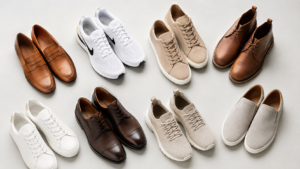
Not all shoes are built for the same purpose. Understanding the differences helps you build a wardrobe that actually serves your lifestyle.
Athletic and Running Shoes
Designed with cushioning and support for high-impact activities, these shoes prioritize shock absorption and breathability. If you run regularly, investing in a proper running shoe—rather than a generic sneaker—can significantly reduce your risk of injury.
Casual Sneakers
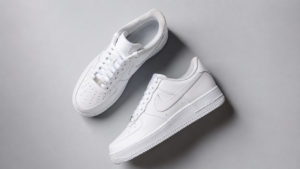
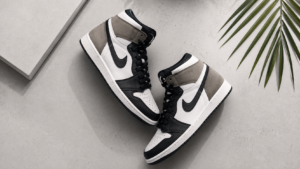
This is where classic styles like the Nike Air Force shine. Originally designed as a basketball shoe in the early 1980s, the Nike Air Force has evolved into an everyday staple thanks to its clean silhouette, durable leather upper, and cushioned sole. It pairs well with jeans, joggers, or even more polished outfits, making it one of the most versatile sneakers on the market.
Dress Shoes
Reserved for formal or professional settings, dress shoes prioritize sleek design over cushioning. Leather oxfords, loafers, and brogues fall into this category.
Boots
Ideal for colder climates or rugged conditions, boots offer ankle support and weather resistance that everyday sneakers can’t match.
Sandals and Slides
Best suited for warm weather or casual, low-impact days, these prioritize breathability and ease of wear over support.
What Makes the Nike Air Force shoes a Wardrobe Staple
Few sneakers have maintained relevance across four decades quite like the Nike Air Force. Understanding what sets it apart can help you evaluate other shoe purchases too.
Durable, Timeless Design
The Nike Air Force uses a full-grain leather upper, which holds up well to daily wear and can be cleaned easily. Its simple, low-profile design means it doesn’t go out of style the way trend-driven sneakers often do.
Reliable Comfort
The Air-Sole cushioning unit in the midsole provides consistent comfort for all-day wear, which is part of why it remains popular for both casual outings and long days on your feet.
Versatility Across Outfits
Because of its neutral colorways (white being the most iconic) and clean lines, the Nike Air Force works with nearly any outfit—something that’s harder to say for more flashy or trend-specific sneakers.
If you’re building a capable, low-maintenance shoe collection, a pair like this is often considered a smart foundational piece before branching into more specialized styles.
Materials and Construction: What to Look For shoes
Understanding shoe materials helps you judge quality beyond just the price tag.
Leather vs. Synthetic
Leather tends to be more durable and breathable over time but requires more care. Synthetic materials are often cheaper and lighter but may not last as long or breathe as well.
Sole Construction
Look at how the sole is attached to the upper. Glued soles are common in budget shoes but can separate over time. Stitched or cemented construction (common in higher-quality shoes) tends to hold up better.
Cushioning and Support
Midsole cushioning—whether foam, air units, or gel—affects how the shoe feels over long periods of wear. If you’re on your feet for hours, prioritize shoes with responsive, supportive cushioning.
How to Care for Your Shoes and Extend Their Life
Even the best shoes won’t last if they’re not maintained properly.
Rotate Your Shoes
Wearing the same pair every day doesn’t give the material time to fully dry out and recover, which speeds up wear. Rotating between two or three pairs extends the life of each.
Clean Regularly
For leather sneakers like the Nike Air Force, a damp cloth and mild soap can remove dirt without damaging the material. Avoid tossing leather shoes in the washing machine, as this can warp the shape and damage the leather.
Store Them Properly
Keep shoes in a cool, dry place away from direct sunlight, which can cause materials to crack or fade over time. Shoe trees or stuffing with paper can help maintain their shape when not in use.
Frequently Asked Questions
What is the best way to know if shoes fit correctly? Your shoes fit correctly if there’s about a thumb’s width of space at the toe, no pinching at the sides, and your heel doesn’t slip when walking.
Are Nike Air Force shoes good for everyday wear? Yes. The Nike Air Force is widely regarded as one of the most versatile everyday sneakers due to its durable leather construction, comfortable cushioning, and neutral design that pairs with most outfits.
How often should I replace my shoes? Athletic shoes typically need replacing every 300–500 miles of use, while casual sneakers can last 1–2 years with proper care, depending on frequency of wear.
Should I buy shoes a half size bigger? Only if you consistently find that your standard size feels tight. It’s better to try both sizes and see which offers proper toe room without excess slipping at the heel.
Can leather sneakers get wet? Light exposure to rain is usually fine, but leather sneakers should be dried naturally away from direct heat and treated with a protective spray if you’ll be wearing them frequently in wet conditions.
Final Thoughts
Choosing the right shoes comes down to understanding your fit, your lifestyle, and the quality of materials and construction. Whether you’re stocking up on running shoes, dress shoes, or a reliable everyday sneaker like the Nike Air Force, taking the time to choose thoughtfully will save you money and discomfort in the long run.
Ready to upgrade your shoe collection? Start by assessing what’s missing from your current lineup—whether that’s a durable everyday sneaker, a supportive pair for workouts, or a polished option for the office—and shop with the fit and material guidance above in mind. Your feet (and your wardrobe) will thank you.




Post Comment