The Ultimate Guide to Choosing the Right Shoes (And Why Nike Shoes Keep Winning)
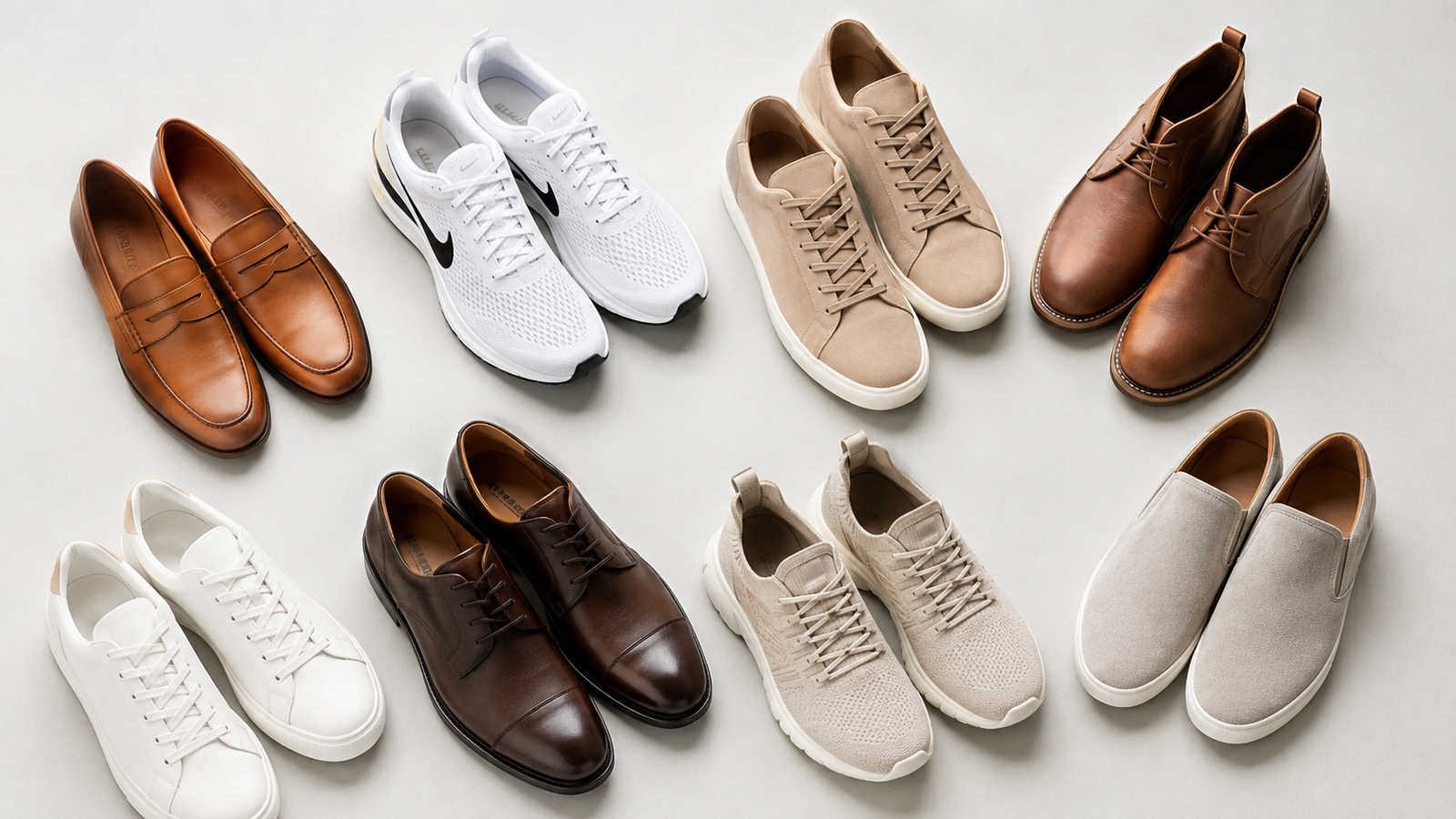
How to Choose the Right Shoes for Your Needs (Including Nike Shoes)
Walk into any store and you’ll be met with a wall of shoes — running shoes, casual sneakers
, dress shoes, hiking boots, and everything in between. It’s overwhelming, and picking the wrong pair of shoes doesn’t just waste money. It can lead to blisters, back pain, and even long-term joint problems.
Why Choosing the Right Shoes Matters More Than You Think
Shoes are one of those purchases people tend to rush. You try on a pair, they feel fine standing still in the store, and you buy them. The problem is that “fine while standing still” and “comfortable after eight hours of walking” are two very different things.
The right pair of shoes:
- Supports your natural foot shape and arch
- Reduces strain on your knees, hips, and lower back
- Improves performance if you’re running, training, or playing sports
- Lasts longer, saving you money over time
- Keeps your feet healthy, preventing issues like plantar fasciitis or bunions
On the flip side, poorly fitting shoes are one of the most common — and most avoidable — causes of foot pain. Taking a few extra minutes to shop thoughtfully pays off for years.
How to Choose the Right Shoes for Your Needs
1. Choose Shoes Based on Your Activity
The biggest mistake people make is buying one pair of shoes and expecting it to do everything. Running shoes are built differently than basketball shoes, which are built differently than everyday casual sneakers. Think about what you’ll actually be doing most:
- Running or walking: Look for cushioning, breathability, and flexibility
- Gym or cross-training: Prioritize stability and lateral support
- Casual, everyday wear: Focus on comfort, versatility, and style
- Work or outdoor use: Consider durability, traction, and protective features
2. Get the Shoes Fit Right
A shoe that’s even a half-size off can cause real problems. When trying on shoes:
- Shop later in the day, since feet naturally swell a bit over time
- Leave about a thumb’s width of space between your longest toe and the front of the shoe
- Wear the socks you’d actually use with that shoe
- Walk around the store, don’t just stand still
3. Pay Attention to Materials
Breathable mesh works well for athletic shoes, while leather offers durability for work or dress shoes. Synthetic materials are often lighter and more water-resistant, which matters if you’re often outdoors. According to the American Podiatric Medical Association, proper shoe fit and material choice play a major role in preventing common foot problems.
4. Set a Realistic Budget
You don’t need to spend a fortune, but extremely cheap shoes often cut corners on support and durability. A mid-range pair from a reputable brand will usually outlast and outperform a bargain-bin option.
Why Nike Shoes Are a Go-To Choice for So Many Shoppers
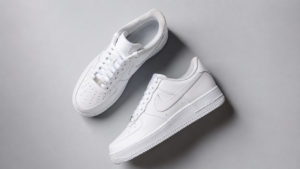
When people search for shoes, Nike shoes come up constantly — and for good reason. Nike has built its reputation over decades by combining performance technology with everyday wearability.
Innovation in Comfort and Support
Nike shoes are known for features like responsive foam cushioning and supportive sole designs that reduce impact during activities like running or training. These aren’t just marketing terms — they reflect real engineering choices aimed at reducing fatigue and injury risk.
A Style for Every Purpose
Whether someone needs Nike shoes for the gym, for running long distances, or simply for everyday errands, the brand offers a wide enough range that most people can find something that fits their specific need. This versatility is a big reason Nike shoes appear so frequently in “best shoes” roundups across different categories.
Durability That Holds Up
Nike shoes tend to hold their shape and support over time, which matters if you’re using them regularly. A shoe that breaks down after a few months isn’t actually a good value, even if the upfront price was lower.
Wide Availability and Sizing Options
Because Nike shoes are sold through so many retailers, both in stores and online, it’s easier to find your correct size, try before you buy, or take advantage of return policies if the fit isn’t quite right.
Common Shoe Shopping Mistakes to Avoid
Even careful shoppers fall into a few predictable traps:
- Buying based on looks alone: A stylish shoe that doesn’t fit well will end up in the back of the closet
- Ignoring arch type: Flat feet, neutral arches, and high arches all benefit from different kinds of support
- Skipping the break-in period: Some materials need a short adjustment period, but persistent pain is a sign the shoe isn’t right
- Not replacing worn-out shoes: Cushioning breaks down over time, even if the shoe still looks fine on the outside
- Overlooking sock thickness: The socks you try shoes on with should match what you’ll actually wear
How Often Should You Replace Your Shoes?
For everyday shoes, most people should expect to replace them every 8 to 12 months with regular use. Running shoes tend to wear out faster, often needing replacement every 300 to 500 miles, since cushioning and support break down well before the outer material shows visible damage.
Caring for Your Shoes to Make Them Last Longer
- Rotate between two pairs if you wear shoes daily, giving each pair time to air out
- Clean them regularly using a soft brush and mild soap, avoiding harsh chemicals
- Store shoes away from direct sunlight and extreme heat, which can break down materials
- Use shoe trees or stuff shoes with paper to help them keep their shape
- Let shoes dry naturally after they get wet, rather than using direct heat
Frequently Asked Questions
What is the most important factor when buying shoes? Fit is the single most important factor. A shoe that fits correctly supports your foot properly and prevents pain, regardless of style or brand.
Are Nike shoes worth the price? For most shoppers, yes. Nike shoes combine durable materials with supportive design, which often means better long-term value compared to cheaper alternatives that wear out quickly.
How do I know if my shoes are the wrong size? Signs include heel slipping, toes touching the front of the shoe, pinching along the sides, or noticeable discomfort after short periods of wear.
Can I use running shoes for everyday walking? Yes, running shoes generally work well for everyday walking since they’re designed with cushioning and support in mind. However, dedicated walking shoes may offer a better fit for that specific motion.
How much should I expect to spend on a good pair of shoes? Quality shoes, including many Nike shoes, typically range from moderate to higher price points depending on the technology and materials used. Spending a bit more upfront often saves money over time through better durability.
Final Thoughts: Finding Shoes That Actually Work for You
Choosing the right shoes doesn’t have to be complicated once you know what to prioritize: fit, purpose, materials, and durability. Whether you’re browsing everyday sneakers or specifically looking at Nike shoes for their performance features and reliability, taking a little extra time during the shopping process pays off in comfort and value down the road.
Ready to find your next pair? Browse our full shoe collection today and step into something that’s actually built for how you live and move. If you’re specifically shopping for running gear, check out our running shoes buying guide for more tips.



Post Comment