The Ultimate Guide to Outfit Ideas for Every Occasion
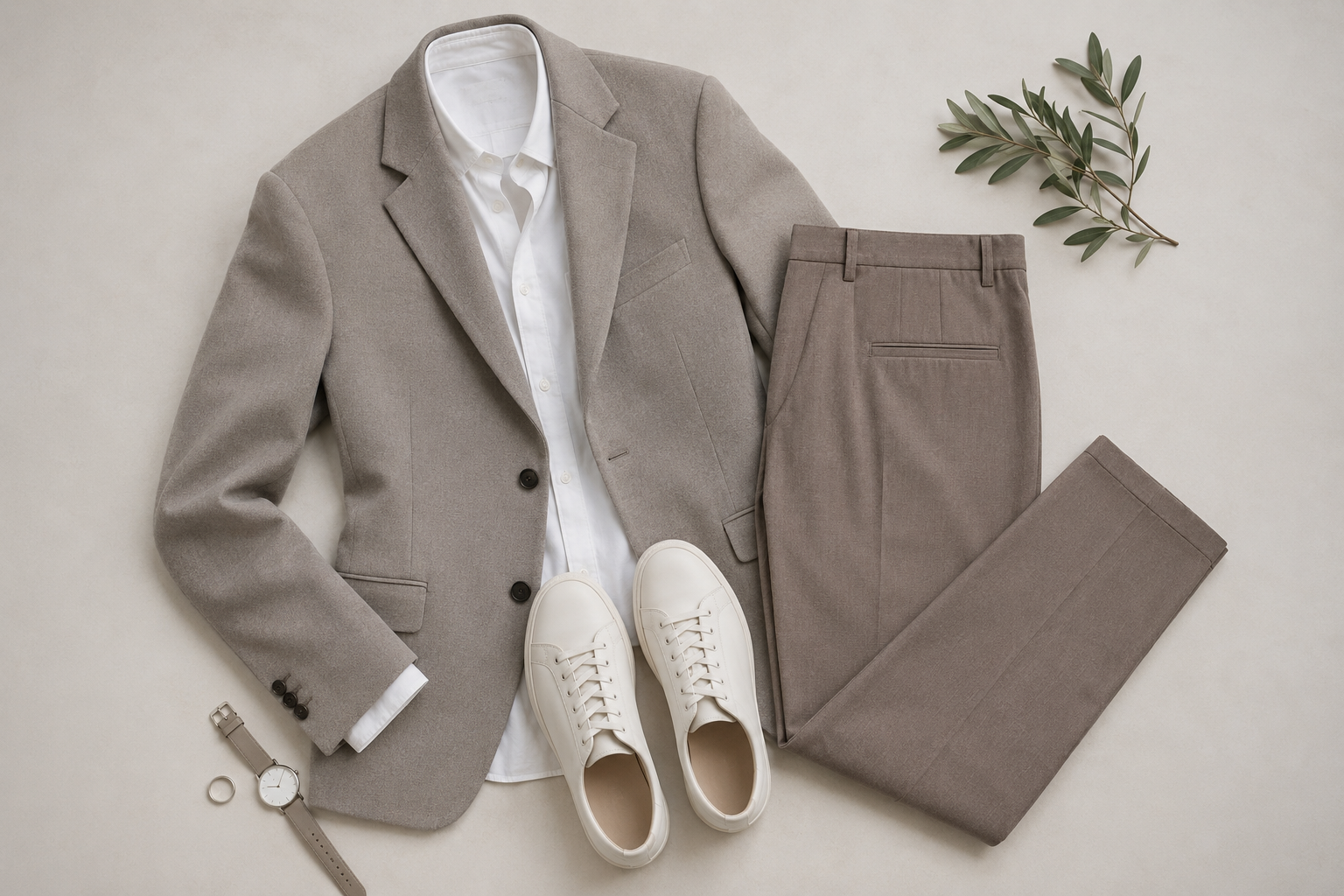
Staring into a closet full of clothes and still feeling like you have “nothing to wear” is one of the most common (and most frustrating) daily struggles. It’s not usually a shortage of clothes — it’s a shortage of outfit ideas. Once you understand a few core principles of putting together a great outfit, getting dressed stops being a chore and starts being fun.
In this guide, you’ll learn how to build outfits that fit your body, your lifestyle, and your budget. We’ll cover everyday looks, work outfits, date-night options, seasonal dressing, and the mistakes that quietly sabotage even a great wardrobe. By the end, you’ll have a practical framework you can use every single morning — not just a list of trends that go out of style by next season.
“What Makes a Great Outfit? Outfit Ideas 101”
A great outfit comes down to three things: fit, color coordination, and occasion-appropriateness. Get those right, and almost anything in your closet can work.
- Fit matters more than price. A $20 t-shirt that fits your shoulders and body shape will always look better than a $200 shirt that’s baggy or too tight.
- Color coordination doesn’t mean matching everything perfectly — it means choosing 2-3 colors that complement each other, with one dominant tone and one or two accents.
- Occasion-appropriateness means reading the room. A killer outfit for a rooftop party isn’t necessarily right for a client meeting, and that’s okay.
If you keep these three filters in mind, you can build reliable outfit ideas without needing a stylist on speed dial.
Everyday Outfit Ideas That Actually Work
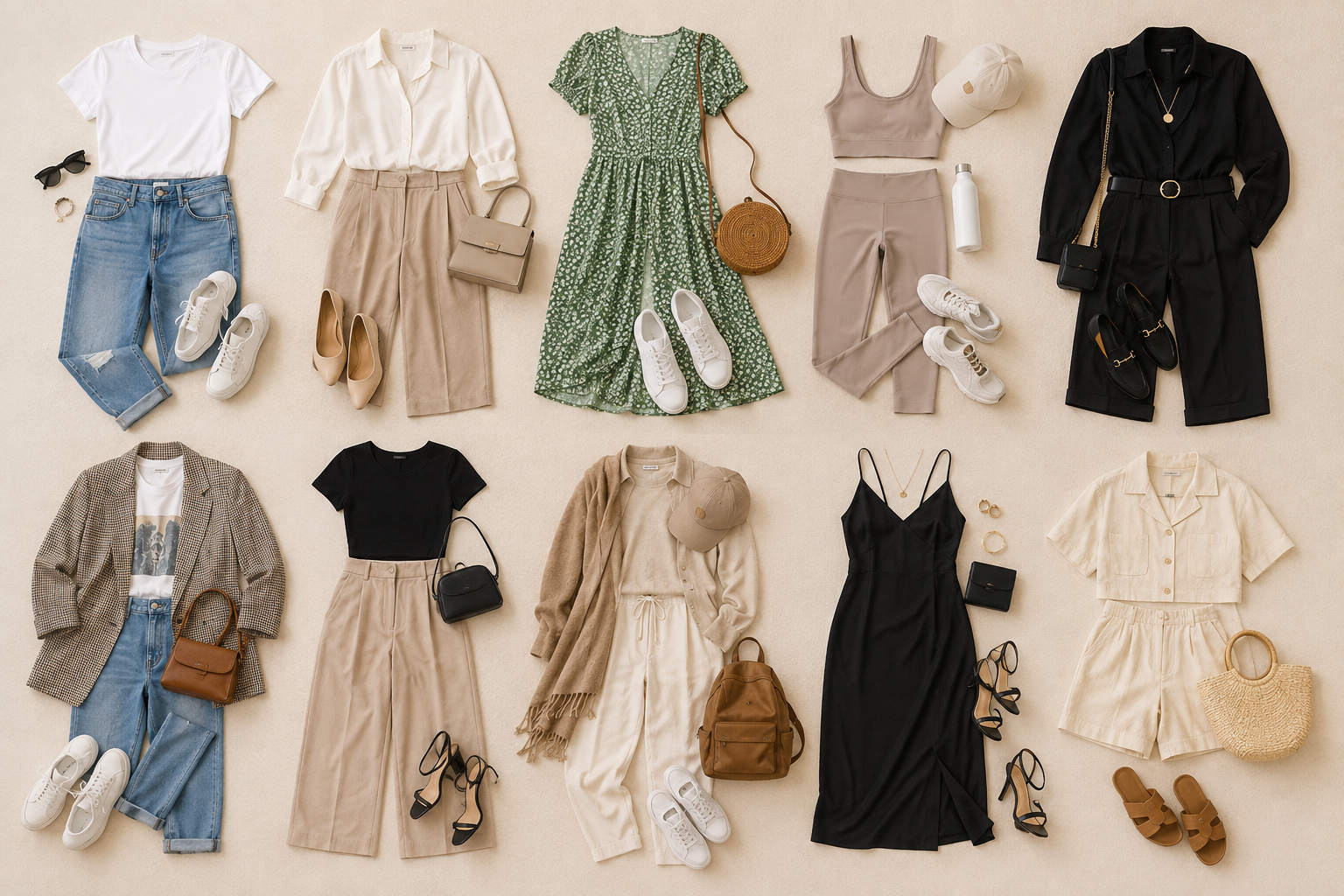
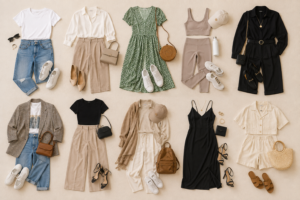
Most people don’t need a new outfit idea for a red carpet — they need something that looks put-together for a normal Tuesday. Here are combinations that consistently work:
Casual Errands and Weekend Outings
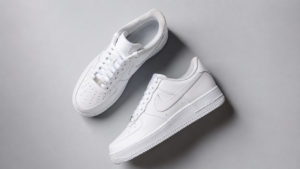
- Well-fitted jeans, a plain or lightly patterned t-shirt, and clean sneakers
- A midi skirt with a fitted top and flat sandals or loafers
- Joggers with a structured jacket to instantly look less “loungewear” and more intentional
Smart-Casual for Coffee Dates or Casual Meetups
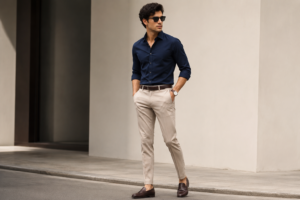
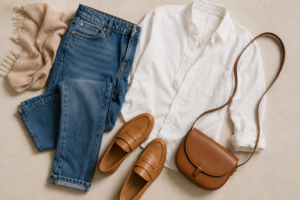
- Chinos or dark denim with a button-down shirt, sleeves rolled
- A knit sweater over a collared shirt, paired with tailored trousers
- A simple dress with a denim or leather jacket layered on top
The trick to everyday outfits is having 3-4 “formulas” you can repeat with different pieces. You don’t need to reinvent your look daily — you need reliable templates.
Work and Office Outfit Ideas
Office dressing has loosened up a lot, but there’s still a difference between “professional casual” and “underdressed.” A few dependable outfit ideas for the workplace:
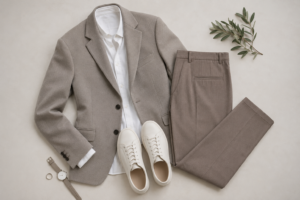
- Blazer + tailored trousers + simple top — This works for nearly any office culture, from corporate to creative.
- Sheath dress + structured cardigan — Polished, comfortable, and easy to accessorize up or down.
- Button-down + pencil skirt or slim trousers — A classic combination that reads as competent without trying too hard.
If your workplace leans more casual, swap blazers for quality knitwear and trousers for well-fitted chinos. The goal is always the same: look intentional, not thrown-together.
Date Night and Special Occasion Outfits
For dates and special occasions, the goal shifts slightly — you want to feel confident, not just appropriate. A few outfit ideas that strike that balance:
- A fitted midi or mini dress with heeled boots and a statement earring
- Dark jeans with a silky top and a blazer for a dinner-appropriate but not overdone look
- A jumpsuit with minimal jewelry — it does the styling work for you
For something more formal, like an anniversary dinner or a wedding, lean into fabric quality and fit over trends. A well-tailored piece in a flattering color will outperform something flashy that doesn’t fit quite right.
Seasonal Outfit Ideas
Dressing for the season isn’t just about temperature — it’s also about color palettes and fabric choices that feel right for the time of year.
Spring and Summer
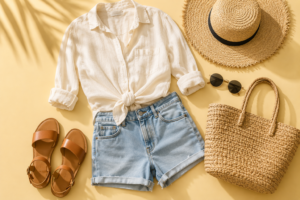
- Lightweight linen shirts, breathable cotton dresses, and shorts in warm-weather-friendly fabrics
- Lighter, brighter colors: pastels, whites, and soft neutrals
- Sandals, espadrilles, or canvas sneakers to keep things breathable
Fall and Winter
- Layering is key: think turtlenecks under blazers, or sweaters under coats
- Richer, deeper tones — burgundy, forest green, camel, charcoal
- Boots and closed-toe shoes, paired with scarves or knit accessories for both warmth and style
Regardless of season, investing in a few transitional pieces (a good trench coat, a versatile cardigan) will stretch your outfit ideas across more of the year.
“Outfit Ideas for Every Body Type”
One of the most overlooked parts of outfit-building is understanding what silhouettes work for your body. This isn’t about restriction — it’s about knowing which cuts naturally flatter you so you spend less time second-guessing.
- Petite frames often benefit from higher waistlines and vertical lines to elongate the body.
- Curvier body types tend to look great in fitted waists that define shape, paired with structured tops.
- Broader shoulders often pair well with A-line or straight-cut bottoms to balance proportions.
- Taller frames can experiment more freely with oversized or layered pieces without looking overwhelmed.
These are starting points, not rules. The best outfit is one you feel confident in — body-type guidance is simply a shortcut to get there faster.
Common Outfit Mistakes to Avoid
Even people with great taste fall into a few predictable traps:
- Too many trends at once. Wearing five statement pieces together competes for attention instead of creating one cohesive look.
- Ignoring proportions. Pairing two loose, baggy pieces together (like an oversized top with wide-leg pants) can look sloppy rather than relaxed.
- Skipping the mirror check. Always do a final look from the front, side, and back before heading out.
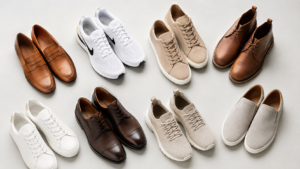
- Wearing the wrong shoes for the vibe. Shoes can make or break an otherwise great outfit — sneakers with a formal dress, for example, only works if it’s an intentional style choice.
Fixing these issues alone can dramatically improve how “put-together” your outfits feel, even without buying anything new.
Frequently Asked Questions
How do I come up with outfit ideas quickly? Start with one “anchor” piece — a dress, a jacket, or a pair of trousers — and build around it using the fit-color-occasion framework. Keeping a few go-to formulas (like blazer + trousers, or dress + jacket) speeds this up dramatically.
What’s the easiest way to elevate a basic outfit? Add one structured or interesting piece — a blazer, statement shoes, or bold jewelry. It shifts a plain outfit from “basic” to “intentional” without much effort.
How many colors should be in one outfit? A good rule of thumb is 2-3 colors total: one dominant, one secondary, and an optional accent color through shoes, bag, or accessories.
Do outfit ideas change based on body type? The core principles (fit, color, occasion) stay the same, but certain cuts and silhouettes will look more flattering on different body types. It’s worth experimenting to see what feels best on you specifically.
How can I build a capsule wardrobe for easier outfit planning? Focus on versatile basics in neutral colors that can mix and match — a few well-fitted bottoms, a handful of tops, one or two jackets, and reliable shoes. From there, add 2-3 statement pieces per season to keep things fresh.
Final Thoughts
Great style isn’t about owning the trendiest wardrobe — it’s about understanding a few reliable principles and applying them consistently. With the outfit ideas and frameworks in this guide, you should be able to walk into your closet with a lot more confidence and a lot less stress.
Ready to put these outfit ideas into practice? Start by picking one formula from each section above and try it out this week — small, consistent choices are what build real personal style over time.
Internal linking opportunities: link to related posts such as “capsule wardrobe essentials,” “how to dress for your body type,” “seasonal wardrobe transition guide,” or “accessorizing 101” if these exist on your site.

Post Comment