The Ultimate Hair Style Guide: Finding the Perfect Look for Your Face, Hair Type, and Lifestyle
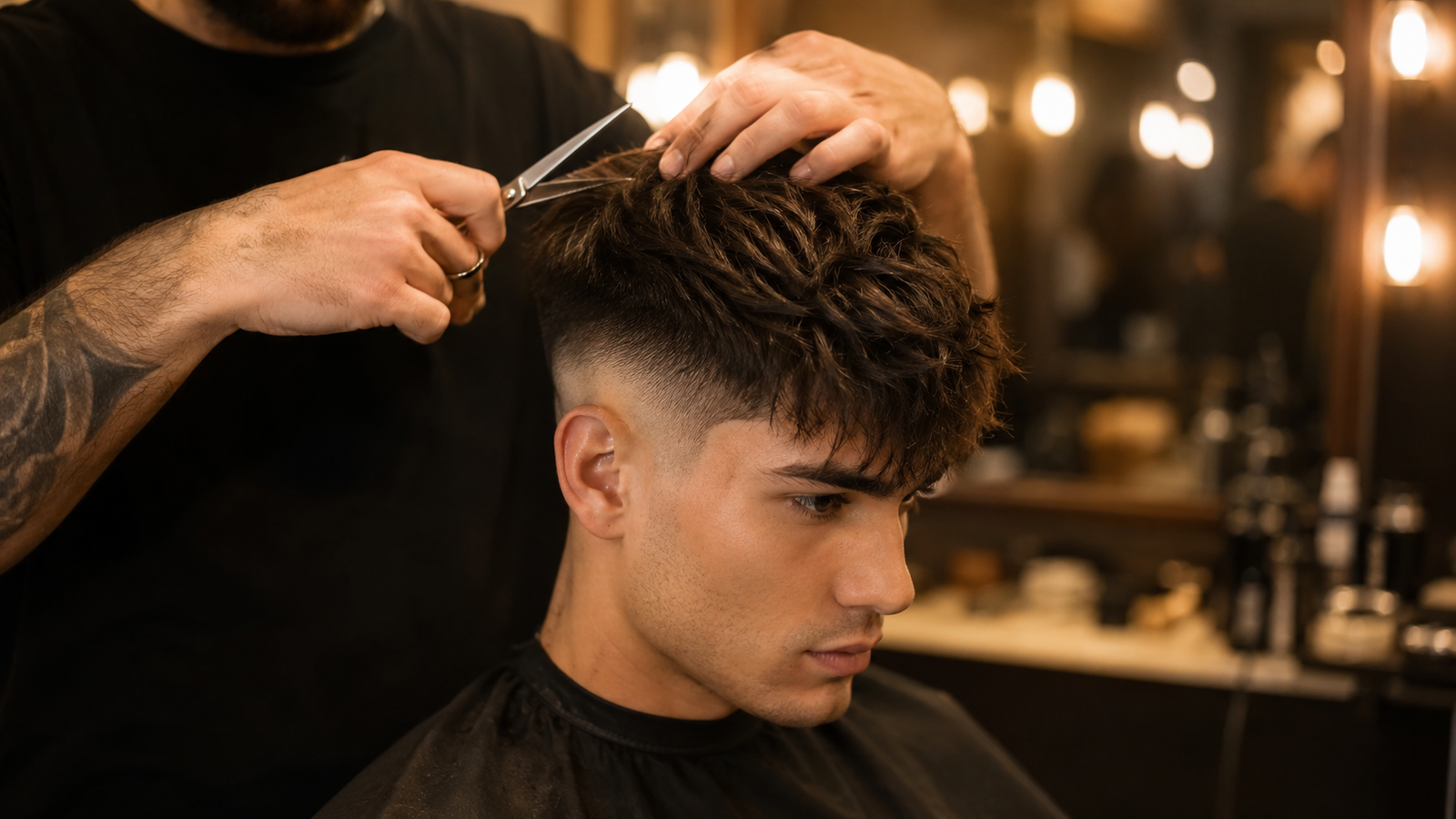
Standing in front of the mirror trying to decide on a new hair style is one of those small decisions that can feel surprisingly big. Your hair frames your face in every photo, every video call, and every first impression you make — so it’s no wonder people spend so much time researching before booking a salon appointment or picking up the clippers.
The good news is that choosing the right hair style doesn’t have to be guesswork. Once you understand a few basics — your face shape, your hair texture, and how much maintenance you’re actually willing to do — the options narrow down fast, and the “right” look becomes obvious.
In this guide, we’ll walk through how to choose a hair style that suits you, break down some of the most popular hair styles for men right now, cover styling and maintenance tips, and answer the questions people ask most often before making a change.
How to Choose the Right Hair Style for You
Before picking a specific cut, it helps to think through three things: your face shape, your hair’s natural texture, and your day-to-day routine.
Match Your Hair Style to Your Face Shape
A hair style that looks great on one person can look completely different on someone else, largely because of face shape. As a general rule:
- Round faces benefit from styles with height on top and shorter sides, which create the illusion of length.
- Square faces often look great with textured layers or slightly longer styles that soften strong jawlines.
- Oval faces are considered the most versatile — nearly any hair style works, from buzz cuts to long layers.
- Heart-shaped faces tend to suit styles with volume near the chin or jaw to balance a wider forehead.
If you’re unsure of your face shape, a simple trick is to trace your reflection on a mirror with a dry-erase marker, then compare the outline to common shape charts.
Consider Your Natural Hair Texture Before Choosing a Style
Fighting your natural texture is one of the most common reasons a hair style doesn’t turn out the way it looked in a photo. Curly hair, for example, will not sit the same way as straight hair, even with an identical cut. A good stylist will adjust the technique — often cutting curls dry, or cutting straight hair wet — based on how the hair actually behaves once it dries.
Factor in Maintenance for Your Hair Style
Be honest with yourself about how much time you want to spend styling each morning. A trendy style that requires ten minutes of blow-drying and product every day can become a source of daily frustration if your routine is already packed. Low-maintenance cuts, like a classic crop or a simple bob, tend to hold their shape well between salon visits.
Popular Hair Styles for Men in 2026
Hair styles for men have moved well beyond the standard short-back-and-sides. Barbers today are blending classic techniques with modern texture, and several styles have become go-to requests across barbershops.
The Textured Crop
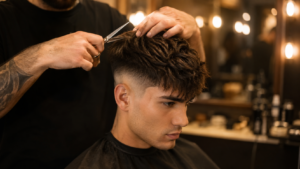
The textured crop remains one of the most requested hair styles for men because it works with almost any hair type and face shape. Short on the sides, slightly longer and textured on top, it’s easy to style with a small amount of matte paste and requires minimal daily effort.
The Modern Pompadour
A more polished option, the modern pompadour keeps length on top swept upward and back, with tapered or faded sides. It reads as more formal than a crop, making it a favorite for work environments, while still feeling current rather than retro.
Fades and Tapers
Fades and tapers aren’t a single style so much as a finishing technique — but they’ve become so popular they’re often requested on their own. A skin fade (also called a bald fade) blends hair down to skin at the sides, while a taper keeps a bit more length for a softer transition. Both pair well with almost any style on top, from curls to a slick-back.
The Curly Crop
For men with naturally curly or coily hair, working with the curl pattern rather than against it has become the dominant trend. A curly crop keeps length short enough to manage but long enough to let natural curl definition show, often paired with a low fade on the sides.
Long and Layered
Longer hair styles for men — shoulder-length or slightly shorter, with soft layering — have also seen renewed popularity. This style suits those willing to invest a bit more time in upkeep, including regular trims to prevent split ends and occasional deep conditioning.
Hair Styles for Different Hair Types
Fine Hair
Fine hair can look flat without the right cut. Shorter to medium-length styles with blunt lines tend to create the appearance of thickness, while heavy layering can sometimes make fine hair look sparser.
Thick Hair
Thick hair often benefits from layering to remove bulk and reduce the “helmet” effect. Texturizing scissors or thinning shears, used correctly by a professional, can make thick hair far easier to manage day to day.
Curly or Coily Hair
Curls shrink as they dry, so length that looks short right after cutting can look even shorter once fully dry. Stylists experienced with curly hair typically cut it dry, curl by curl, to account for this.
Styling Tips to Make Any Hair Style Last Longer
- Wash less, condition more. Daily washing strips natural oils and can leave both style and scalp worse off. Two to three washes a week is plenty for most hair types.
- Use the right amount of product. A common mistake is applying too much styling product, which weighs hair down. Start with a small amount and add more only if needed.
- Get regular trims. Even long hair styles benefit from a trim every 6–8 weeks to prevent split ends from creeping up the hair shaft.
- Protect hair from heat. A heat protectant spray before blow-drying or straightening reduces long-term damage and keeps color and texture looking fresher.
- Sleep on the right fabric. Silk or satin pillowcases cause less friction than cotton, which can help styles — especially curls — hold their shape overnight.
Common Hair Style Mistakes to Avoid
Even a well-chosen hair style can fall flat because of avoidable mistakes. Bringing in a photo isn’t enough if the stylist doesn’t also assess your hair’s texture and how it grows — cowlicks and growth patterns can change how a style sits in real life. Skipping regular trims, over-washing, and ignoring a stylist’s product recommendations are also common reasons a great cut stops looking great within a few weeks.
FAQ: Hair Style Questions People Ask Most
How often should I get a haircut to maintain my hair style? Most hair styles need a trim every 4–6 weeks to keep their shape, though longer, low-maintenance styles can often stretch to 8 weeks between visits.
What are the easiest low-maintenance hair styles for men? The textured crop and skin fade are widely considered the easiest hair styles for men to maintain, since both grow out relatively evenly and require minimal daily styling.
Can I change my hair style without damaging my hair? Yes — most style changes, including cutting or adding layers, don’t damage hair. Damage is more commonly linked to chemical processing (bleach, relaxers) or excessive heat styling, not the style itself.
How do I know what hair style suits my face shape? Compare your face’s width and length, and note whether your jawline, cheekbones, or forehead is widest. A stylist can also assess this quickly during a consultation.
Should I choose a hair style based on trends or what actually suits me? Trends are a good starting point for inspiration, but the best hair style is one adapted to your face shape, hair texture, and lifestyle — a stylist can adjust a trending look to fit you personally rather than copying it exactly.
Final Thoughts
Finding the right hair style comes down to understanding your face shape, working with your natural texture instead of against it, and being realistic about how much time you want to spend on upkeep. Whether you’re drawn to a classic taper, exploring modern hair styles for men, or simply looking to refresh a look that’s felt stale, small, informed choices make a bigger difference than chasing the latest trend.
Ready for a change? Book a consultation with a stylist who can assess your face shape and hair type in person, and bring a couple of reference photos to start the conversation — the best results come from combining your vision with their expertise.

Post Comment