Shoes 101: The Ultimate Guide to Buying Shoes and Why Nike Air Jordan Shoes Still Rule
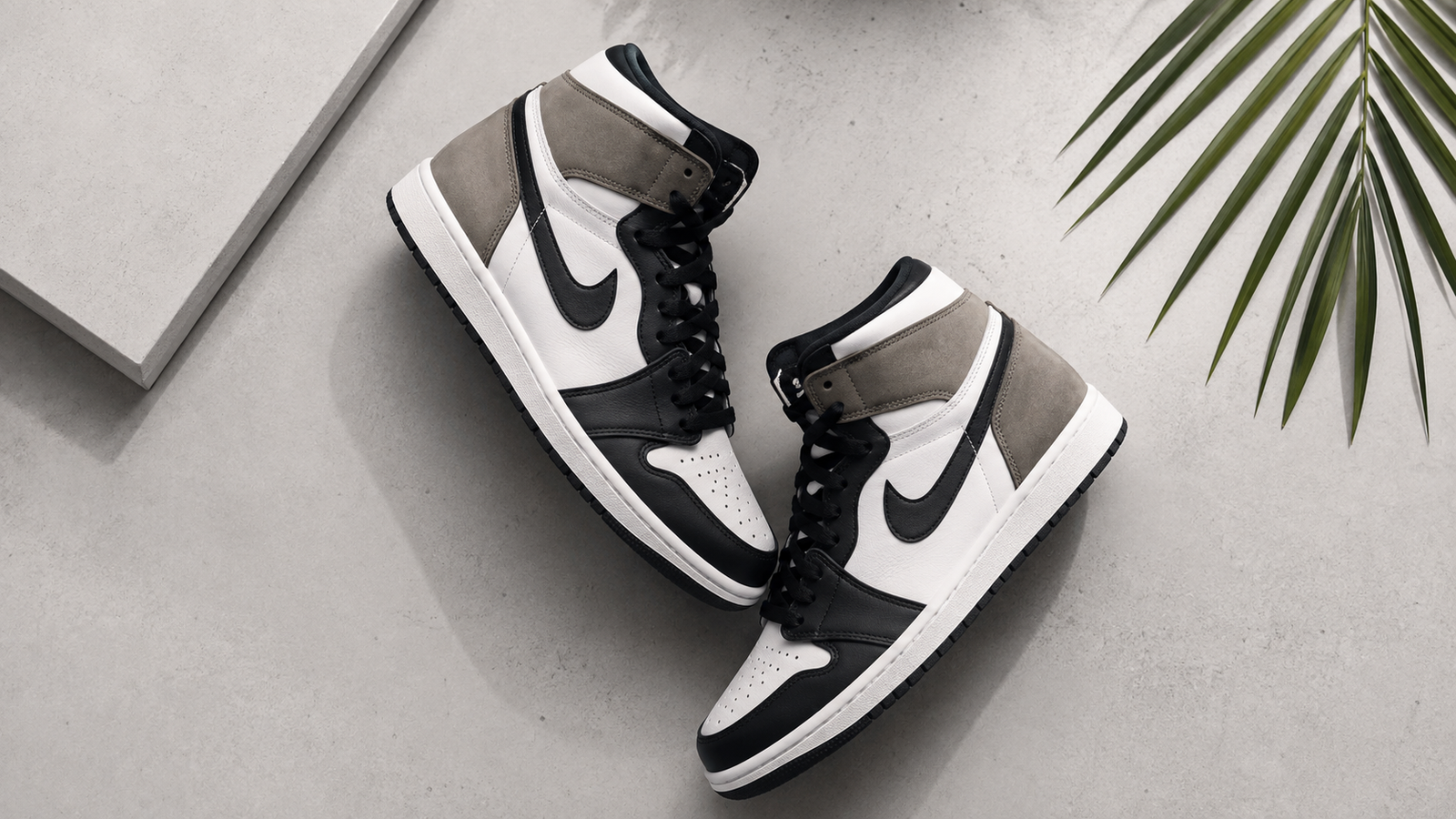
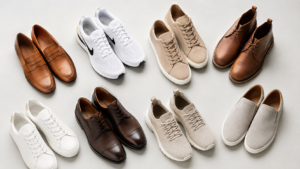
“Nike Air Jordan Shoes”are one of the most important purchases you make for your everyday comfort, yet most people spend more time picking a phone case than picking the shoes they’ll wear for hours every single day. Walk into any shoe store today and you’ll be hit with a wall of choices — running shoes, casual sneakers, dress shoes, boots, and everything in between. It’s overwhelming, and honestly, most buying guides don’t help much because they either drown you in technical jargon or push whatever brand pays for the placement.
This guide skips all that. We’re breaking down how to think about shoes as a category — what actually matters when you’re buying a pair — and then zooming in on one of the most talked-about names in footwear: Nike Air Jordan shoes. By the end, you’ll know how to evaluate any pair of shoes on their merits, and whether Air Jordans deserve a spot in your closet. (For sizing basics before you shop, see our shoe size conversion guide — internal link placeholder.)
“Why People Still Buy Nike Air Jordan Shoes Today”
Shoes aren’t just an accessory. They affect your posture, your joints, and how your whole day feels. A poorly fitted pair can lead to blisters, back pain, and even long-term foot problems. On the flip side, the right shoes can make a ten-hour shift or a long run feel manageable.
There’s also the style factor. Shoes are often the first thing people notice about an outfit, and they’re one of the easiest ways to signal personal taste without saying a word. That’s part of why sneaker culture — and Nike Air Jordan shoes in particular — has grown into a genuine industry of its own, with resale markets, collector communities, and release-day lines that rival concert ticket sales.
The Real Cost of Cheap Shoes
It’s tempting to grab the cheapest pair on the rack, but that decision often costs more down the road. Low-quality soles wear out fast, stitching comes loose, and support breaks down within months. Investing in a well-made pair — even if it costs more upfront — usually means fewer replacements and better comfort over time.
What to Look for When Buying Shoes
Before you fall for flashy colorways or a discount sticker, run through these basics. According to the American Podiatric Medical Association, proper shoe fit is one of the leading factors in preventing long-term foot problems.
1. Fit Comes First
A shoe that looks great but pinches your toes isn’t a good shoe. Always try shoes on later in the day when your feet are slightly swollen — this gives you a more accurate sense of fit. Leave about a thumb’s width of space between your longest toe and the front of the shoe.
2. Match the Shoe to the Activity
Running shoes, walking shoes, and basketball shoes are built differently for a reason. A basketball shoe like an Air Jordan is designed for lateral movement and ankle support on the court, while a running shoe prioritizes forward motion and cushioning. Wearing the wrong type for the wrong activity is a common cause of foot fatigue and injury.
3. Material Quality
Leather, mesh, suede, and synthetic uppers all behave differently. Leather tends to last longer and mold to your foot over time, while mesh breathes better for workouts. Check the stitching and sole attachment — loose threads or uneven gluing are red flags.
4. Sole and Cushioning
The midsole is where most of the comfort technology lives. Brands use different cushioning systems (foam, air units, gel), and the right one depends on your foot type and how much impact support you need.
“Nike Air Jordan Shoes: A Closer Look”
Few shoes have the cultural weight of Nike Air Jordan shoes. Originally launched in 1985 for basketball legend Michael Jordan, the line has evolved from a performance basketball shoe into one of the most recognizable sneaker brands in the world.
Why People Still Buy Air Jordans Today
- Design legacy: Each numbered model (Air Jordan 1 through the newer releases) has its own silhouette and story, which appeals to both new buyers and longtime collectors.
- Comfort and support: Nike’s cushioning technology, including Air units in many models, provides solid impact absorption for both athletic use and everyday wear.
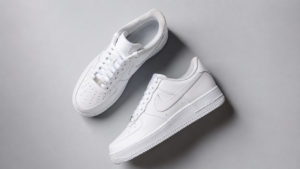
- Versatility: While built for basketball, most Air Jordan shoes have crossed into streetwear, working just as well with jeans as they do on the court.
- Resale value: Certain colorways and limited releases hold or increase in value, which is part of why the sneaker resale market has become its own economy.
Popular Air Jordan Models Worth Knowing
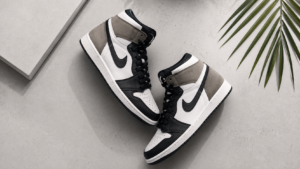
- Air Jordan 1: The original silhouette, known for its high-top design and bold color blocking.
- Air Jordan 4: Recognizable for its mesh panels and visible support wings, popular among both athletes and casual wearers.
- Air Jordan 11: Famous for its patent leather finish, often considered one of the most elegant designs in the lineup.
If you’re new to the line, starting with a classic colorway of the Air Jordan 1 is a common recommendation — it’s a versatile entry point before exploring limited editions.
How to Care for Your Shoes and Extend Their Life
Buying good shoes is only half the equation — taking care of them keeps them performing well for years.
Cleaning Basics
Use a soft brush and mild soap for fabric or mesh uppers. Leather shoes, including many Air Jordan models, benefit from a dedicated leather cleaner and conditioner to prevent cracking.
Storage Tips
Keep shoes away from direct sunlight and heat, which can cause soles to yellow or leather to dry out. Shoe trees or stuffed paper help maintain shape when shoes aren’t in use.
Rotation Matters
Wearing the same pair every day speeds up wear and doesn’t give cushioning materials time to recover. Rotating between two or three pairs, especially if you’re active, helps everything last longer.
Common Mistakes to Avoid When Buying Shoes
- Buying based on looks alone: A great-looking shoe that doesn’t fit properly will end up unworn.
- Ignoring arch support: Flat feet and high arches need different support levels — generic insoles don’t work for everyone.
- Skipping the break-in period: Some materials, especially leather, need a short adjustment period. Wear new shoes around the house before a long day out.
- Not checking authenticity: With popular releases like Nike Air Jordan shoes, counterfeit products are common. Buying from authorized retailers or the official Nike website reduces this risk.
Frequently Asked Questions
What makes Nike Air Jordan shoes different from regular Nike sneakers? Air Jordan shoes are a distinct line originally designed for basketball performance, featuring specific cushioning and support technology along with a design identity tied to Michael Jordan’s career and legacy.
How do I know what shoe size to order online? Measure your foot length in the afternoon, compare it against the brand’s specific size chart (sizing can vary between brands), and check customer reviews for notes on whether a model runs large or small.
Are Air Jordan shoes good for everyday wear, or just basketball? Most Air Jordan models are worn far more often as casual or streetwear shoes than on an actual basketball court, thanks to their comfort and iconic look.
How often should I replace my shoes? For daily-wear shoes, sole wear and reduced cushioning support are the main signs it’s time for a new pair, typically after 300–500 miles of use for athletic shoes or noticeable tread wear for casual pairs.
Is it worth paying more for premium shoes like Air Jordans? If you value durability, design, and resale potential, the higher price often reflects better materials and construction. For purely functional needs, mid-range shoes can also perform well.
Final Thoughts: Finding Shoes That Work for You
At the end of the day, the best shoes are the ones that fit your foot, match your lifestyle, and hold up over time. Whether you’re after everyday comfort or want to add a pair of Nike Air Jordan shoes to your collection for their style and legacy, the fundamentals stay the same: prioritize fit, check the materials, and buy from trusted sources.
Ready to find your next pair? Browse our latest shoe collection and see which style fits your life best — your feet will thank you.




Post Comment