Outfit Ideas for Every Occasion: A Practical Style Guide
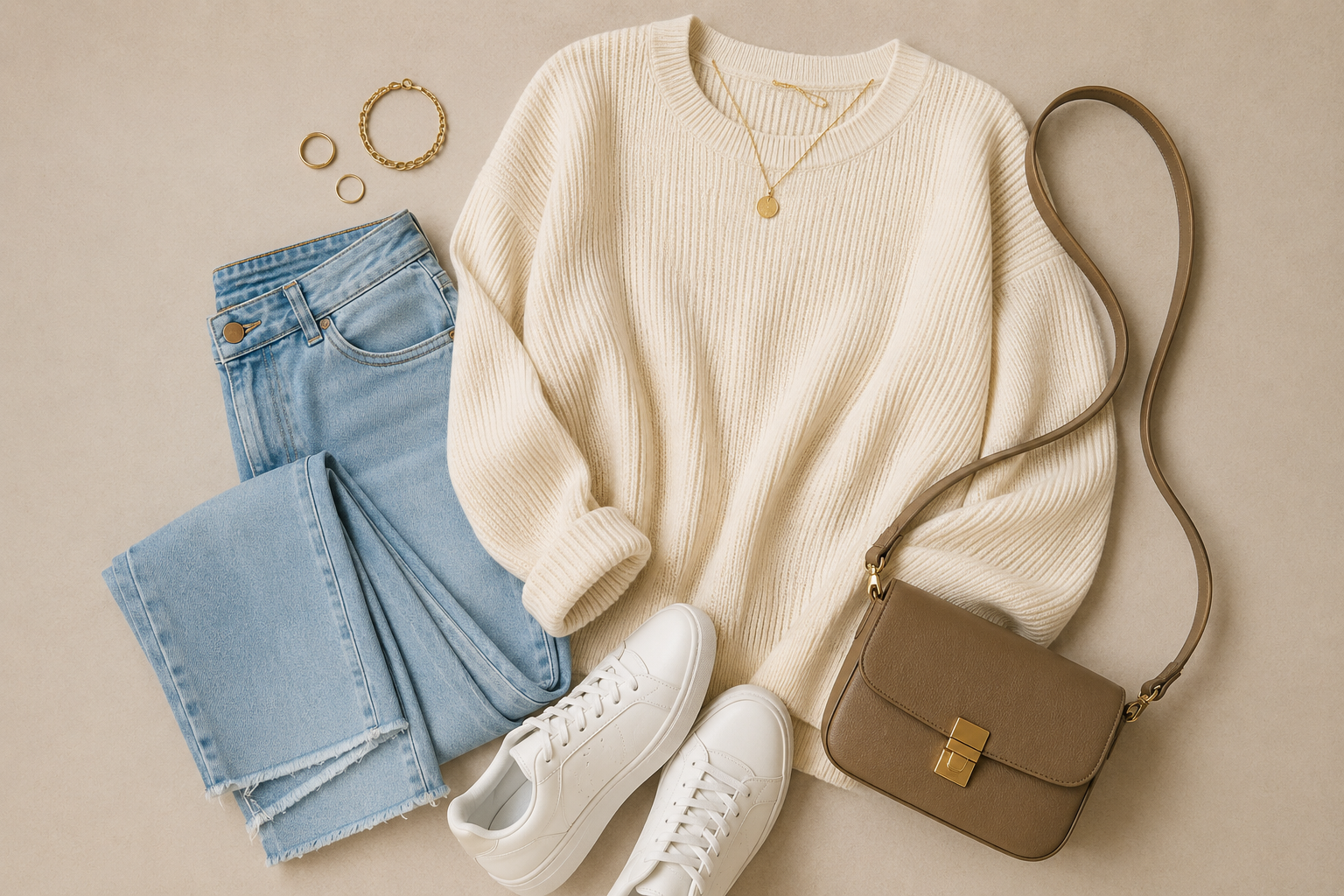
Standing in front of a full closet outfit and still feeling like you have “nothing to wear” is one of the most common frustrations people run into — and it usually has nothing to do with how much clothing you own. It’s about not having a system for putting pieces together with confidence.
This guide breaks down outfit ideas for the situations that come up most often in real life: the workday, weekend errands, date night, travel, and the seasonal shifts outfit that throw your usual routine off balance. Along the way, you’ll also pick up a few styling principles that make it easier to build new outfit combinations on your own, long after you’ve finished reading.
Building an casual Outfit: The Basics That Actually Matter
Before jumping into specific looks, it helps to understand the handful of principles that make any outfit work.
Start With Fit, Not Trends
A piece that fits your body well will almost always look better than something trendy that doesn’t. Shoulders should sit where your shoulders end, pants shouldn’t pool excessively at the ankle unless that’s the intended silhouette, and nothing should pull tightly across the chest or hips when you’re standing normally. Fit is the single biggest factor separating an outfit that looks “put together” from one that just looks like clothes.
Anchor Every Look With One Focal Point
Strong outfits usually have one item that draws the eye — a bold jacket, a statement shoe, a patterned top — while the rest of the pieces stay simple enough to support it. Trying to make every piece stand out at once tends to compete for attention rather than complement it.
Stick to a Simple Color Formula
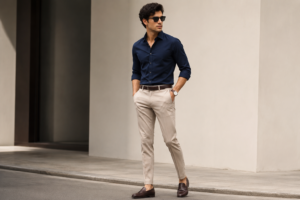
A reliable approach is picking two neutral colors as your base (black, white, navy, beige, gray) and adding one accent color. This formula works across nearly every outfit idea in this article and takes the guesswork out of matching.
Everyday Outfit Ideas for Work
Work outfits need to balance professionalism with comfort, since you’ll likely be wearing the look for eight or more hours.
Business Casual That Doesn’t Feel Stiff
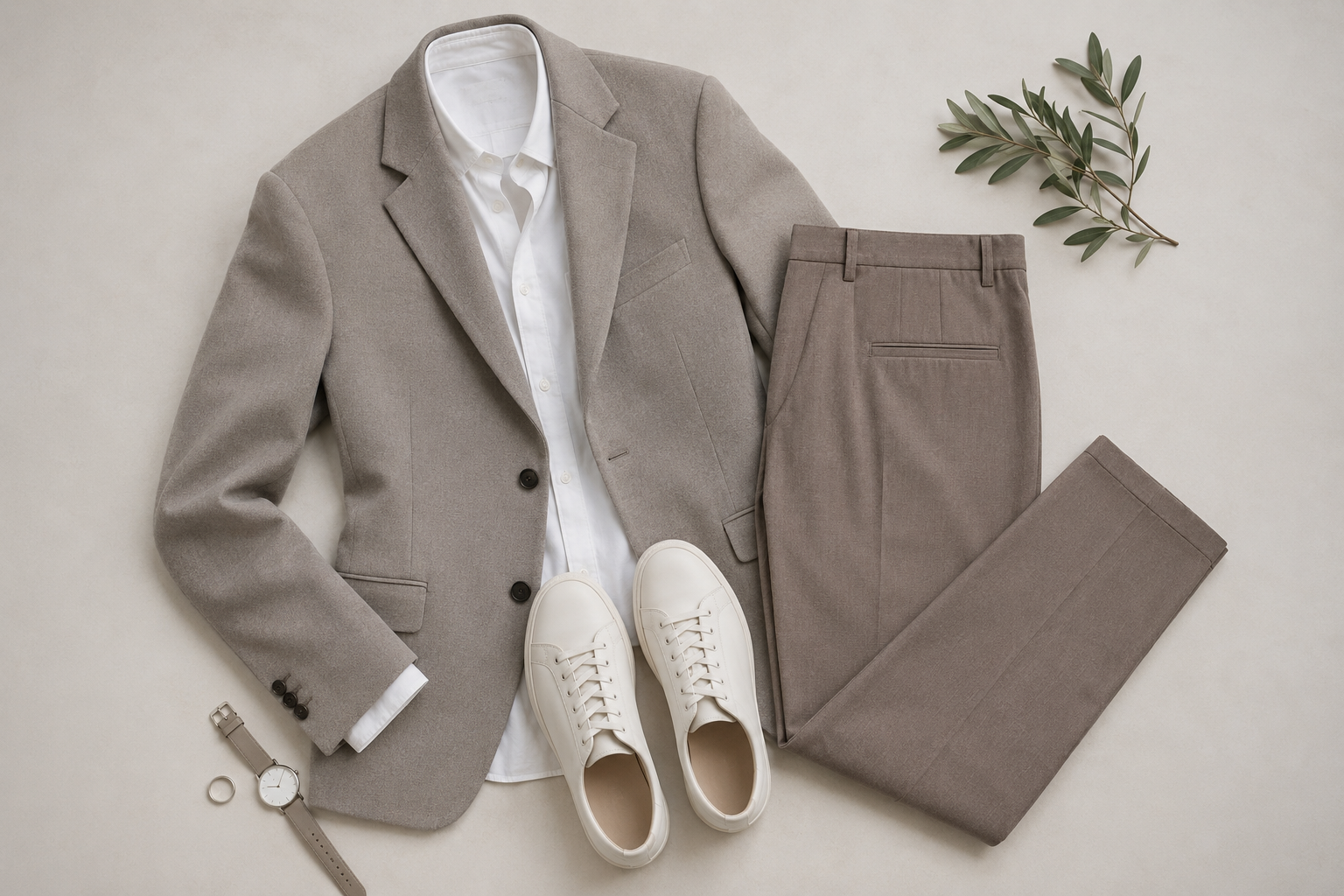
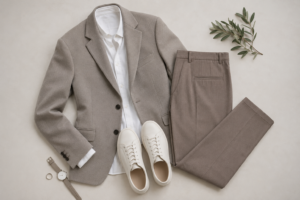
Tailored trousers or a midi skirt paired with a tucked-in blouse or button-down and a structured blazer covers most business casual dress codes. Swap heels for loafers or block-heeled shoes if you’re on your feet often — they read just as polished but hold up better through a long day.
Smart Looks for Creative Workplaces
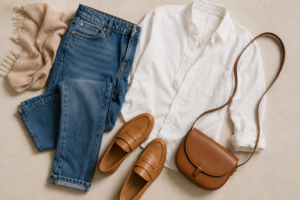
More relaxed offices give you room to experiment. Well-fitted dark denim, a fine-knit sweater, and clean sneakers or ankle boots strike a balance between casual and intentional. Adding one structured piece, like a blazer or a good bag, keeps the look from feeling too laid-back for a professional setting.
Casual Outfit Ideas for Weekends and Everyday Errands
Weekend dressing is where comfort usually takes priority, but that doesn’t mean the outfit has to look thrown together.
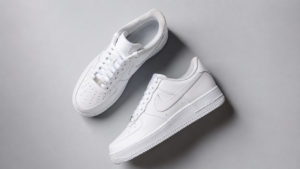
- Errands and coffee runs: Leggings or joggers, an oversized sweatshirt or cropped hoodie, and clean white sneakers.
- Casual lunch with friends: High-waisted jeans, a fitted tee tucked in, and a light jacket layered over top.
- Low-key weekend outings: A midi dress with sneakers and a denim jacket for a look that’s easy but not sloppy.
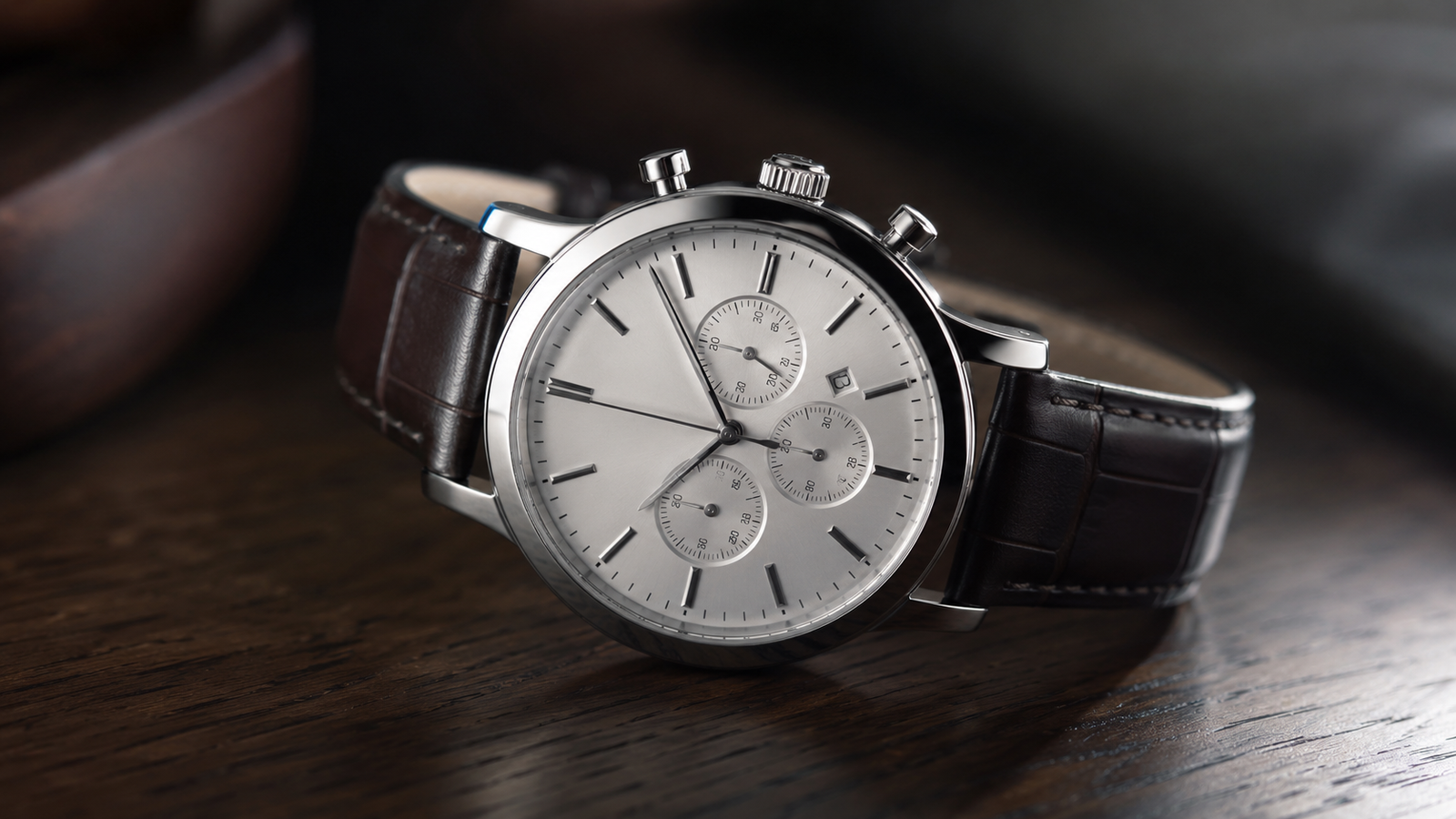
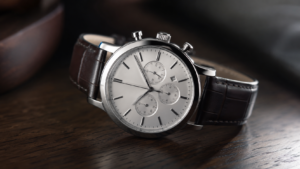
The key to weekend outfits is choosing one polished element — a well-fitted jacket, a clean pair of shoes, or accessories like a watch or simple jewelry — so the outfit reads as intentional rather than rushed.
Date Night Outfit Ideas
Date night calls for something that feels a little more elevated without straying from what actually makes you comfortable.
Dinner Dates
A slip dress or tailored jumpsuit with heeled sandals works well for reservations at a nicer restaurant. For a more relaxed dinner spot, dark jeans with a silky camisole and a blazer strikes a similar tone with less formality.
Casual First Dates
Coffee shops, walks, or casual bars call for outfits that feel effortless: a fitted sweater with straight-leg jeans and ankle boots, or a button-down with tailored shorts in warmer weather. Comfort matters here — you want to be thinking about the conversation, not adjusting your outfit.
Travel and Airport Outfit Ideas
Travel outfits need to handle hours of sitting, temperature changes, and security lines, all while still looking presentable when you land.
Layering is the most useful strategy: a soft t-shirt, an oversized cardigan or zip-up, and joggers or stretch-waist trousers give you room to adjust as cabin temperatures shift. Slip-on shoes make security lines faster, and a scarf can double as a blanket on longer flights. Stick to wrinkle-resistant fabrics like jersey knits or technical blends so you still look fresh after a long journey.
Seasonal Outfit Ideas Worth Knowing
Transitional Weather (Spring/Fall)
Layering pieces you can add or remove — a light jacket, a versatile scarf, or a cardigan — let you adjust to swings in temperature throughout the day without needing a full outfit change.
Hot Weather
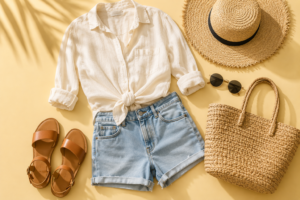
Breathable fabrics like linen and cotton, looser silhouettes, and lighter colors help manage heat while still looking styled. A linen shirt with tailored shorts or a flowy sundress with sandals are both reliable warm-weather outfit ideas.
Cold Weather
Building outfits in layers — a base layer, an insulating middle layer like a sweater, and a structured outer layer like a wool coat — keeps you warm without sacrificing shape. Chunky knits paired with a longline coat and boots is a dependable formula through the colder months.
Accessorizing Your Outfit the Right Way
Accessories are often what separates a good outfit from a memorable one, but they work best when chosen with intention rather than added at random.
Jewelry
Matching metals (all gold or all silver) across your jewelry keeps a look cohesive. If you want visual interest, layering thin necklaces of varying lengths or stacking simple rings tends to look more curated than one large, standalone piece competing with everything else you’re wearing.
Bags and Shoes
Your bag and shoes don’t need to match exactly, but they should feel like they belong to the same “mood” — a structured leather tote pairs naturally with heeled loafers, while a canvas tote leans more toward sneakers or sandals. Mixing very formal and very casual pieces (like a evening clutch with sneakers) can read as unintentional rather than eclectic, unless that contrast is a deliberate style choice.
Belts and Scarves
A belt can define the waist on looser silhouettes like oversized shirts or shift dresses, instantly adding shape. Scarves work similarly for tying together an accent color from elsewhere in the outfit, and they double as a practical layer in cooler weather.
Building a Capsule Wardrobe for Endless Outfit Ideas
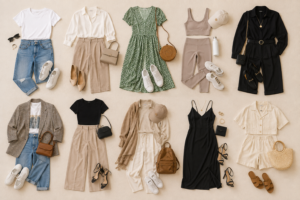
If you find yourself repeating the same few outfits, the issue is often not a lack of clothing but a lack of pieces that mix well together. A capsule wardrobe approach — a smaller collection of versatile items in complementary colors — makes it far easier to generate new outfit ideas without buying more.
A practical starting point includes:
- 2–3 pairs of well-fitted pants or jeans in neutral tones
- 4–5 tops that vary in weight and style (a knit, a button-down, a tee, a blouse)
- 1–2 dresses that can be dressed up or down
- 2 jackets — one casual (denim or bomber), one polished (blazer or wool coat)
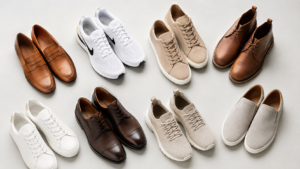
- 2–3 pairs of shoes covering casual, work, and dressier occasions
With this foundation, most of the mixing and matching takes care of itself, since every piece is chosen to work with several others rather than standing alone.
Common Outfit Mistakes to Avoid
- Over-accessorizing: Too many statement pieces at once can make an otherwise strong outfit feel cluttered.
- Ignoring proportions: Pairing two loose, baggy pieces together (like an oversized top with wide-leg pants) can wash out your shape. Balance loose pieces with at least one fitted item.
- Skipping the finishing touches: Small details — ironed clothing, matched metals in jewelry, clean shoes — often make the biggest difference in how polished an outfit looks.
Frequently Asked Questions
What’s the easiest way to come up with outfit ideas quickly? Start with the two-neutrals-plus-one-accent color formula, then build around a single focal piece you already love. This removes most of the decision-making and works for almost any occasion.
How many outfits do I actually need in my closet? Most people can cover work, casual, and one dressier occasion with 10–15 versatile pieces that mix and match, rather than owning dozens of single-use outfits.
What should I wear if I don’t know the dress code for an event? When in doubt, lean slightly more polished than you think is necessary — it’s easier to dress down with accessories than to look underdressed.
How do I make a casual outfit look more put-together? Add one structured or elevated piece, such as a blazer, a clean pair of shoes, or simple jewelry, to instantly upgrade a casual base.
Can the same outfit idea work for multiple occasions? Yes. Many outfits can be adjusted with a shoe or accessory swap — for example, a midi dress works for both a casual day out and a dinner date depending on the footwear and layering.
Final Thoughts
Great outfits aren’t about owning more clothes — they’re about understanding fit, color balance, and which piece should carry the look. Whether you’re dressing for the office, a first date, or a weekend trip, the outfit ideas above give you a starting point you can adapt to your own style and body.
Ready to put these ideas into practice? Take a look at your closet this week and try building just one new outfit combination using the color formula above — small changes add up to a wardrobe that works harder for you.

Post Comment