Casual Outfit Ideas for Every Occasion
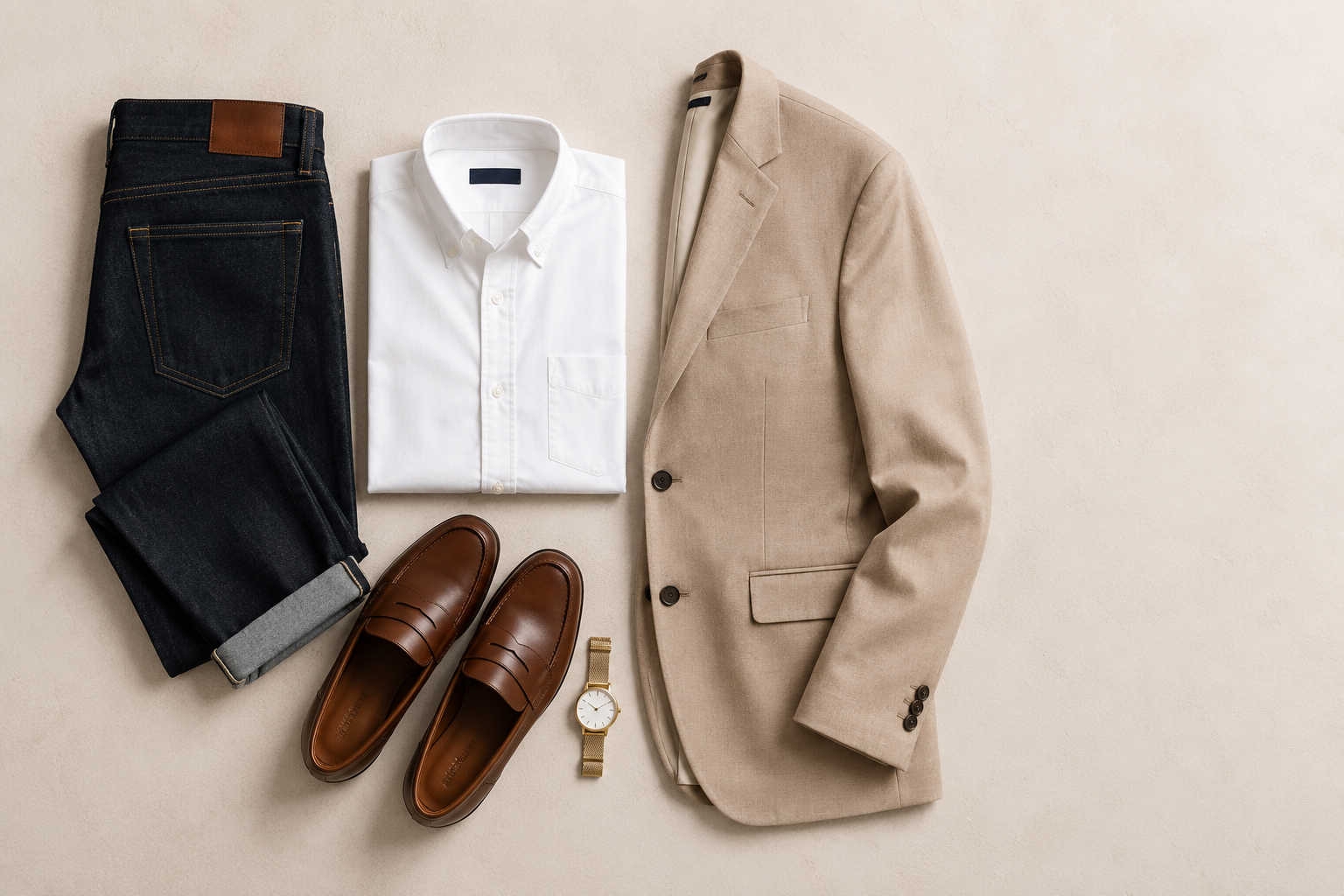
Standing in front of a full closet and still feeling like you have “nothing to wear” is one of the most common — and most frustrating — style problems out there. It’s rarely about having too few clothes. It’s about not knowing how to put together great casual outfit ideas that feel right for the moment.
This guide is built to fix that. Whether you’re dressing for a first day at a new job, a weekend brunch, or a wedding you RSVP’d to a little too late, you’ll find practical casual outfit ideas here that you can actually recreate — no personal stylist required.
By the end, you’ll know how to build a capsule wardrobe, mix pieces you already own into new combinations, and troubleshoot the outfit dilemmas that trip up almost everyone: what to wear when it’s neither hot nor cold, how to dress for a body type you’re not used to shopping for, and how to look put-together without spending a fortune.
What Makes a Good Outfit? (The Short Answer)
A good outfit balances three things: fit, proportion, and occasion. Clothes that fit your body well will always look more intentional than expensive pieces that don’t. Proportion means pairing loose with fitted (a relaxed blazer with slim trousers, for example) rather than loose with loose. And occasion simply means reading the room — a great outfit for a rooftop party isn’t necessarily a great outfit for a client meeting.
Get those three right, and almost any combination of clothes will read as “put together.”
Building a Foundation: The Capsule Wardrobe Approach
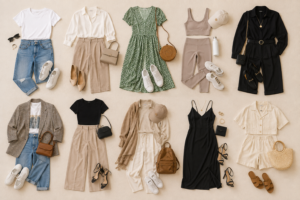
Before diving into specific casual outfit ideas, it helps to have the right raw materials. A capsule wardrobe — a small, versatile collection of clothing that mixes and matches easily — makes it far easier to create new outfits without buying constantly. (See our full guide: How to Build a Capsule Wardrobe for a deeper walkthrough.)
Core Pieces Worth Owning
A few reliable basics do more work than a closet full of trend pieces:
- A well-fitted pair of dark denim jeans
- Neutral trousers (black, navy, or grey)
- A crisp white button-down shirt
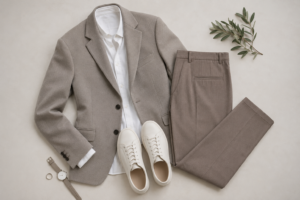
- A versatile blazer
- A simple white t-shirt and a fitted black top
- One statement piece — a jacket, coat, or accessory that adds personality
Once these are in place, most outfit ideas become a matter of combination, not acquisition.
Why Neutrals Do the Heavy Lifting
Neutral colors — black, white, beige, navy, grey — form the backbone of a flexible wardrobe because they pair with almost everything, including bold colors and prints you add later. Building around neutrals first means fewer “orphan” pieces sitting unused at the back of the closet. For more on how color pairing affects an outfit’s overall look, Pantone’s color guide is a helpful reference.
Outfit Ideas for Everyday Wear
Everyday outfits need to balance comfort with a sense that you made an effort — even if you didn’t have much time.
Casual Outfit Ideas
Casual outfit ideas work best when comfort and style share equal footing. A few reliable go-tos:
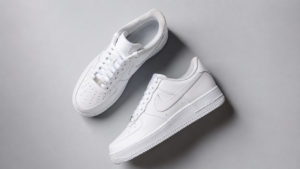
- Straight-leg jeans, a tucked-in t-shirt, and clean white sneakers
- A midi skirt paired with a fitted knit top and ankle boots
- Wide-leg trousers with a cropped jacket for an elevated casual look
Smart-Casual Outfit Ideas
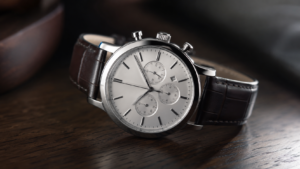
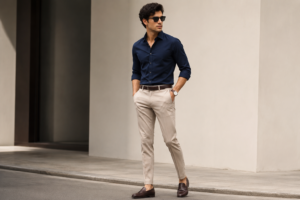
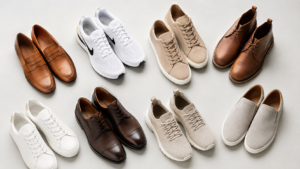
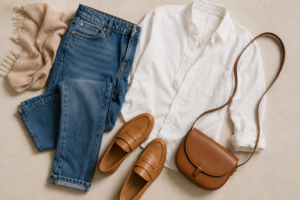
Smart-casual is the setting most people struggle with most, because it sits between “too formal” and “too relaxed.” A safe formula: tailored trousers or dark jeans, a button-down or fine-knit sweater, loafers or clean leather sneakers, and one accessory (a watch, belt, or simple necklace) to finish it off.
Outfit Ideas for Work and Professional Settings
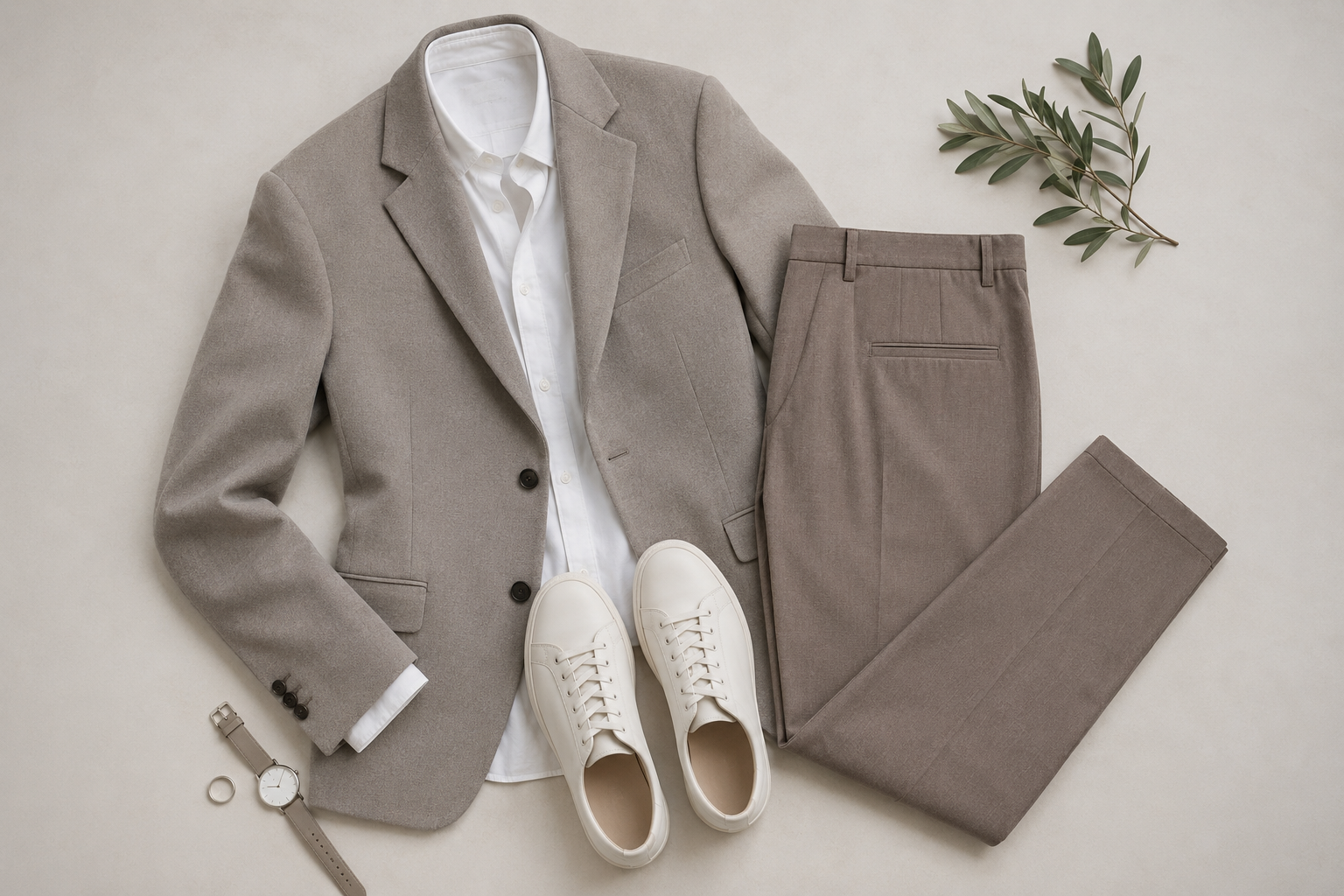
Workwear has loosened up considerably, but a few principles still hold. Structured pieces — blazers, tailored trousers, pencil skirts — read as professional even in casual offices. Layering a blazer over a simple top instantly signals effort without requiring a full suit.
For offices with a business-casual dress code, try:
- A blouse tucked into tailored trousers, finished with a blazer
- A knee-length dress with a structured cardigan and low block heels
- Chinos, a fitted polo or shirt, and loafers for men’s business-casual
If your workplace leans more formal, keep tailoring sharp, colors muted, and accessories minimal — the goal is that people remember what you said in the meeting, not what you wore. (Related: Business Casual Dress Code Explained.)
Seasonal and Weather-Based Outfit Ideas
One of the most common outfit dilemmas is dressing for in-between weather — too warm for a heavy coat, too cool for bare arms.
Transitional Weather Outfits
Layering is the answer. A lightweight jacket or cardigan over a short-sleeve top gives you flexibility to add or remove a layer as the temperature shifts throughout the day. Ankle boots work in more temperature ranges than sandals or heavy winter boots, making them a smart transitional-season staple.
Hot Weather Outfits
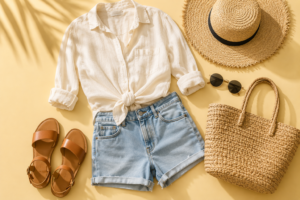
Breathable fabrics — linen, cotton, lightweight blends — make a bigger comfort difference than the cut of the clothing itself. A linen shirt with tailored shorts, or a flowy sundress with sandals, keeps things cool without sacrificing style.
Cold Weather Outfits
Layering for warmth works best when you think in three parts: a base layer (thermal or fitted top), a mid-layer (sweater or fleece), and an outer layer (coat or puffer). This traps warmth more effectively than one thick garment alone.
Outfit Ideas for Special Occasions
Special events call for outfits that photograph well, move comfortably, and match the specific formality of the invitation.
Wedding Guest Outfits
Avoid white or anything that could be mistaken for it, and check whether the invitation specifies a dress code like “cocktail” or “black tie optional.” A midi dress in a rich color, or a suit in navy or charcoal, works for most wedding guest situations.
Date Night Outfits
Confidence reads better than any specific item. That said, a fitted top with well-cut trousers or a simple dress in a color you feel good in tends to outperform anything overly trendy or uncomfortable.
Travel Outfits
Comfort and practicality matter most: slip-on shoes for airport security, layers for changing cabin and destination temperatures, and fabrics that resist wrinkling on long journeys.
How to Personalize Any Casual Outfit Idea
Casual outfit ideas from a guide (including this one) are meant as a starting framework, not a rulebook. A few small adjustments make any outfit feel more like your own:
- Add one unexpected element — a bold accessory, an unusual color pairing, or a vintage piece.
- Adjust proportions to your body — cropped jackets, higher or lower rises, and hem lengths all shift how an outfit sits.
- Repeat what compliments get you. If people consistently comment on how a certain color or silhouette looks on you, lean into it rather than chasing every trend.
Frequently Asked Questions
What is the easiest way to come up with casual outfit ideas quickly? Start with one “anchor” piece you already love, then build around it using the fit-proportion-occasion rule: pair loose with fitted, keep colors mostly neutral, and match the formality to where you’re going.
How many outfits should a capsule wardrobe include? There’s no fixed number, but a well-built capsule of 25–35 versatile pieces (tops, bottoms, layers, and shoes) can typically create 40 or more distinct outfit combinations.
What outfit works for almost any occasion? Dark jeans, a tailored blazer, and a simple top is one of the most adaptable outfit ideas — dress it up with heels and jewelry, or down with sneakers.
How do I dress well on a small budget? Prioritize fit over brand. A $20 top that’s tailored to your shape will look better than a $200 item that fits poorly. Thrift stores and consignment shops are also strong sources for well-made basics.
How can I tell if an outfit is “too much” or “too plain”? A useful gut check: if you feel slightly more dressed than the room, you’re usually in a safe range. If you feel underdressed, add one polished element — a blazer, heels, or jewelry — rather than reworking the whole outfit.
Final Thoughts: Make These Outfit Ideas Your Own
Great style isn’t about owning more clothes — it’s about understanding how a handful of well-chosen pieces work together. Use the outfit ideas in this guide as a starting point, then adjust them to fit your body, your budget, and the life you’re actually dressing for.
If you’re ready to put this into practice, start small: pick one outfit idea from this guide, build it from pieces already in your closet, and wear it this week. Small, consistent choices like that are what actually build a wardrobe — and a style — that feels like you.

Post Comment