Summer Outfits: How to Build the Perfect Look for Any Occasion
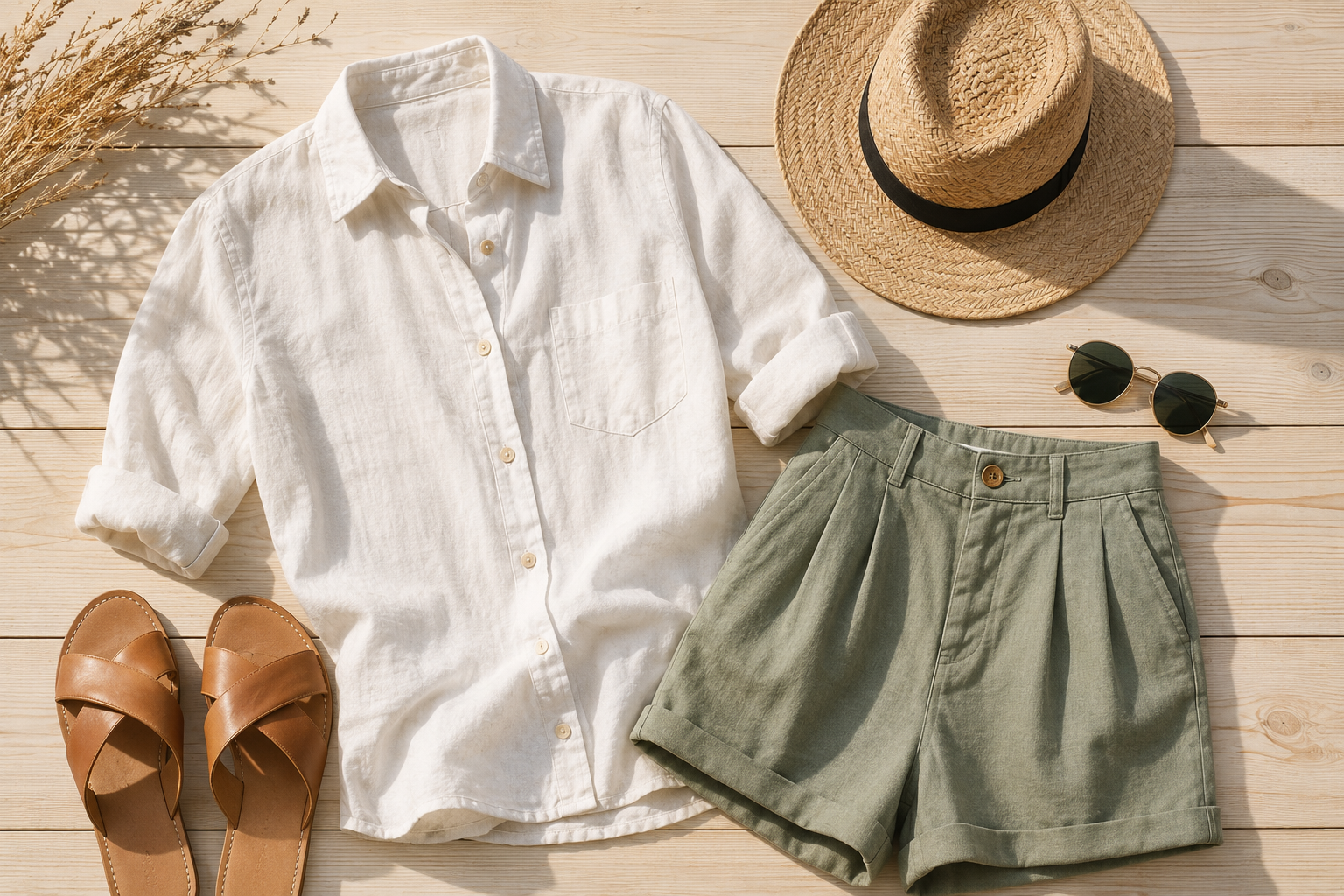
Ever stood in front of a full closet and still felt like you had nothing to wear? You’re not alone. The best summer outfits aren’t about owning more clothes — they come down to a handful of rules for fit, fabric, and color that make any warm-weather look come together.
This guide breaks down what separates a thrown-together combination from truly great summer outfits, then applies those principles to real situations. By the end, you’ll know how to build summer outfits for the office, a weekend brunch, or a night out — without overthinking it every single morning. We’ll also cover the fabric and color science behind why some warm-weather looks feel effortless while others feel like a losing battle against the heat.
What Makes Great Summer Outfits? The Core Elements
Before jumping into summer-specific advice, it helps to understand what any solid look has in common. Strip away the trends and seasonal details, and every ensemble that “works” is doing three things well: fit, proportion, and cohesion.
Fit is the single biggest factor in whether a look reads as intentional or accidental. A $30 t-shirt that fits your shoulders and body correctly will always look better than a $300 shirt that’s too baggy or too tight. If you take away one thing from this article, let it be this: get your most-worn pieces tailored, even if it’s just a $15 hem or a quick trip to a local tailor.
Proportion is about balancing loose and fitted pieces. If you’re wearing something oversized on top, balance it with something more fitted on the bottom, and vice versa. Two baggy pieces together can swallow your frame; two tight pieces together can feel stiff and overdone.
Cohesion means the pieces look like they belong together — through color, formality level, or a shared texture or era. A tailored blazer with distressed cutoffs and flip-flops has three different “moods” fighting each other. Picking one dominant vibe per outfit almost always looks more put-together.
Building Summer Outfits: Where to Start
Great summer outfits start with two decisions before you even think about style: fabric and color. Get these right and almost anything you build on top will look intentional.
Choosing the Right Fabrics for Summer
Heat and humidity change what “good” clothing means. Fabrics that look great in a fall outfit can feel unbearable — and look wilted — by early afternoon in July.
- Linen breathes exceptionally well and gets a relaxed, textured look with wear, which suits casual summer settings.
- Cotton poplin is crisp, breathable, and holds its shape better than linen, making it a solid choice for a work-appropriate summer outfit.
- Lightweight chambray or seersucker offers texture without heaviness — good for pieces you want to stand out slightly.
- Avoid thick synthetic blends, heavy denim, and anything double-lined; they trap heat and often show sweat more visibly.
A quick rule of thumb: if you can’t see light through the fabric when you hold it up, think twice about wearing it on a 30°C day.
Color Palettes That Work in Warm Weather
Color affects both how hot you feel and how the whole look reads visually. Lighter shades reflect heat rather than absorb it, which is part of why white, pale blue, sand, and soft pastels dominate summer wardrobes — it’s not just aesthetics, it’s physics.
That said, a full outfit doesn’t need to be entirely pale to feel like a summer outfit. A common approach that works well:
- Pick one neutral base (white, beige, light grey, or navy).
- Add one warm-weather accent color (coral, sage green, butter yellow, or terracotta).
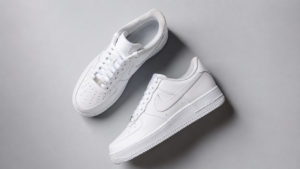
- Keep shoes and accessories in a third, complementary neutral (tan leather, white sneakers, natural rattan).
This “one neutral, one accent, one grounding tone” formula is an easy way to build summer outfits that look curated without requiring a color theory degree.
Summer Outfits for Different Occasions
The same principles apply everywhere, but the details shift depending on where you’re headed. Here’s how to adapt summer outfits for four common scenarios.

Casual Weekend Outfit
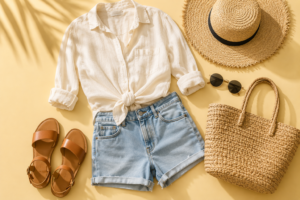
For running errands, brunch, or a walk in the park, comfort and breathability come first. A relaxed linen shirt (unbuttoned over a plain tank or tee), lightweight cotton shorts or a midi skirt, and canvas sneakers or slides hits the mark. Add a woven tote or crossbody bag and you’re covered for the whole day.
Work-Appropriate Summer Outfits
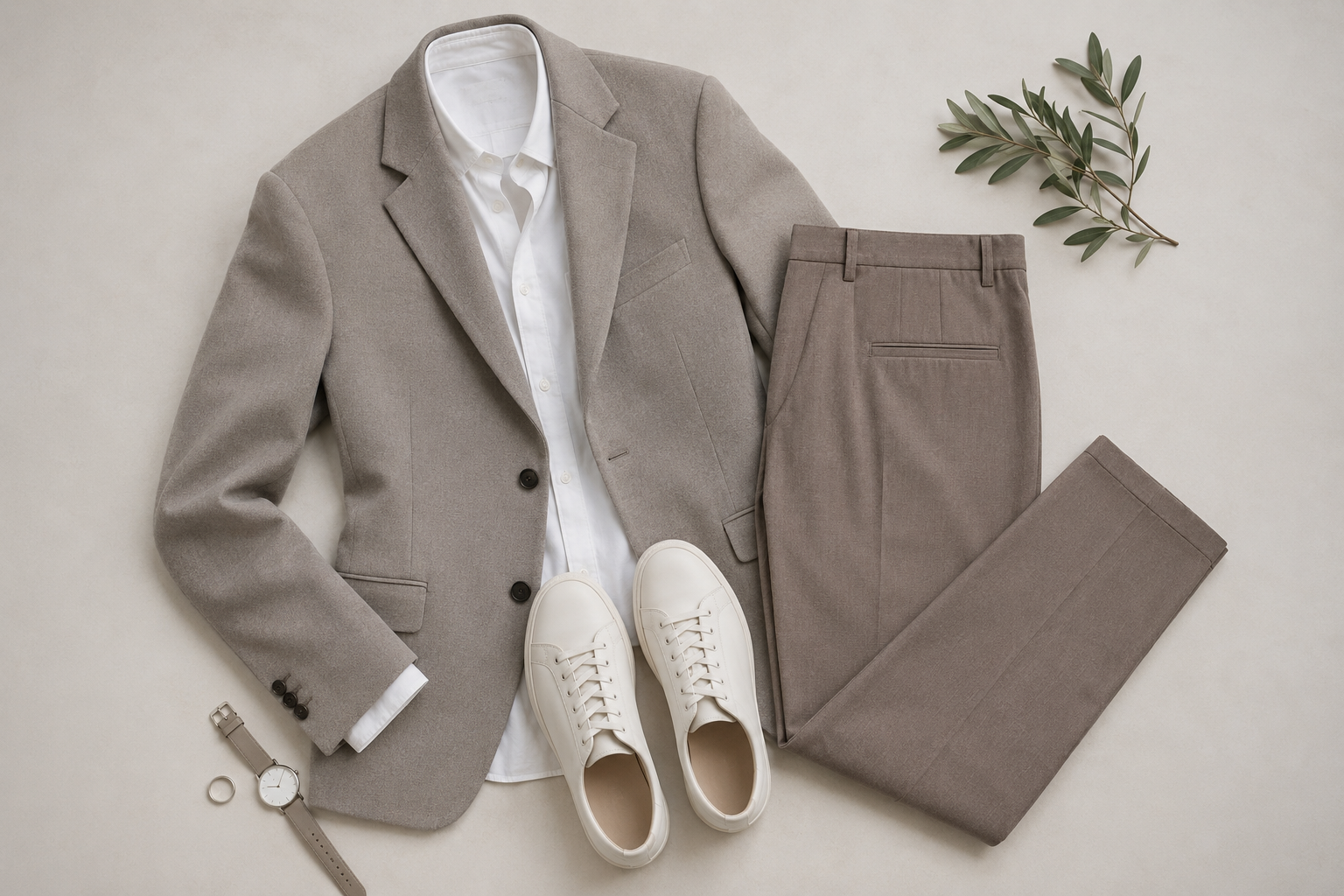
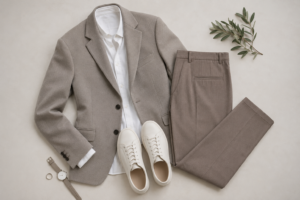
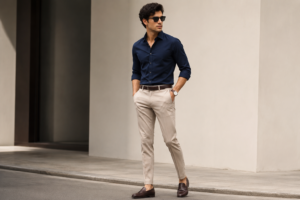
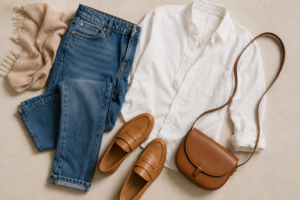
Offices with business-casual dress codes still expect polish, even in July. A short-sleeve cotton poplin shirt tucked into tailored trousers or a knee-length skirt, paired with loafers or low block heels, keeps things professional without overheating. Skip anything sheer or overly casual like flip-flops, no matter how hot it gets.
Date Night or Evening Out
Evenings call for a slightly elevated version of the same warm-weather logic. A linen-blend dress or a fitted short-sleeve button-up with tailored pants works well. Swap daytime sandals for a heeled mule or a clean leather sneaker, and add one statement piece — a bold earring, a structured bag, or a bright accent color — to signal “evening” without adding heavy layers.
Travel Outfit for Hot Climates
When you’re moving through airports or exploring a new city, prioritize wrinkle resistance and layering options. A cotton-linen blend jumpsuit or a simple tee-and-shorts combo, a packable light layer for air conditioning, and comfortable slip-on shoes make travel days far less stressful.
Common Mistakes That Undercut Summer Outfits
Even with good pieces, a few habits consistently undercut otherwise solid summer outfits:
- Ignoring proportions. Pairing an oversized top with equally loose bottoms often reads as sloppy rather than relaxed.
- Over-accessorizing in the heat. Heavy layered jewelry and bulky bags can feel — and look — out of place once temperatures climb.
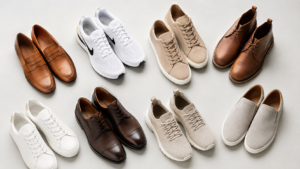
- Wearing the wrong shoe formality. Flip-flops with tailored trousers, or dress shoes with athletic shorts, breaks the cohesion an outfit needs.
- Forgetting sun and sweat practicality. Dark, heavy fabrics in direct sun both look and feel uncomfortable by midday.
- Skipping fit adjustments. A great summer piece bought in the wrong size undermines everything else in the outfit.
Accessorizing Summer Outfits
Accessories finish a look, but in warm weather, less is usually more. A few reliable options:
- Sunglasses with a frame shape that contrasts your face shape (rounder frames for angular faces, and vice versa)
- A woven or straw bag, which reads as warm-weather appropriate almost automatically
- Minimal jewelry — one statement piece rather than several small ones, to avoid a cluttered look in lightweight fabrics
- A breathable hat, useful for both sun protection and adding a finished look to a simple outfit
Building a Simple Summer Capsule Wardrobe
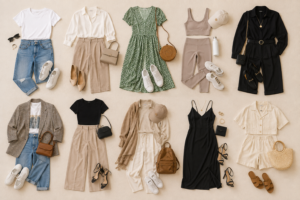
If you’d rather stop assembling looks from scratch every day, a small capsule of interchangeable pieces solves the problem long-term. The idea is simple: choose items that share a color story, so nearly any top pairs with nearly any bottom.
A workable starting point:
- Two neutral bottoms — one pair of tailored shorts or trousers, one skirt or pair of wide-leg pants
- Three tops — a plain tee, a short-sleeve button-up, and one lightweight knit for air-conditioned spaces
- One layering piece — a linen shirt or light cardigan that works over anything
- Two pairs of shoes — one casual (sneakers or sandals), one slightly dressier (loafers or a low heel)
- One bag and one set of sunglasses that go with everything else
With roughly eight to ten pieces built around a single neutral palette, you can rotate through weeks of different combinations without repeating the exact same look twice — and without the daily decision fatigue of starting from zero.
Frequently Asked Questions
What is the easiest way to put together summer outfits? Start with one neutral base piece, add one lightweight accent-colored item, and keep footwear and accessories in a complementary neutral tone. This simple formula works across casual, work, and evening summer outfits.
What fabrics work best for summer outfits? Linen, cotton poplin, and lightweight chambray are the most reliable choices because they breathe well and hold up in heat and humidity. Heavy synthetics and thick denim are best avoided.
How do I dress up casual summer outfits for evening? Swap daytime sandals for a heeled mule or clean sneaker, add one statement accessory, and choose a slightly more fitted silhouette. These small swaps elevate the look without a full outfit change.
Can dark colors work in summer outfits? Yes, in moderation. A dark accent piece — like navy trousers or a black bag — can ground a lighter look, but avoid dark, heavy fabrics as a base layer since they absorb more heat.
What’s the biggest mistake people make with summer outfits? Prioritizing style over practicality — wearing heavy fabrics, ill-fitting layers, or mismatched formality levels (like dress shoes with shorts) that don’t actually suit the weather or occasion.
Final Thoughts
Great summer outfits come down to fit, proportion, and cohesion, applied with a bit of common sense about the weather and occasion. Once you’ve internalized the fabric and color basics above, building summer outfits becomes less about following trends and more about repeating a formula that already works for your body and your day.
Start small: pick one formula from this guide, build it with pieces already in your closet, and wear it this week. Once it clicks, expanding your rotation of summer outfits gets a lot easier. If you’re ready to put it into practice, browse our latest summer arrivals or book a free styling session to get outfit ideas tailored to your closet.
Editorial notes (remove before publishing):
- Internal linking opportunities: link “tailored” in the Fit section to a tailoring/alterations guide; link “capsule wardrobe” section to a dedicated capsule wardrobe post if one exists; link “sunglasses” and “woven bag” mentions to relevant product/category pages.
- Featured snippet targets: the bolded direct-answer sentences at the top of each FAQ answer are written to be snippet-friendly — keep them as the first sentence if you adjust the FAQ.
- Suggested slug:
/perfect-outfit-summer-guide. Suggested title: “How to Build the Perfect Outfit: A Practical Summer Outfit Guide” (fits under 60 characters for SERP display).

Post Comment