How to Choose the Perfect Outfit for Any Occasion (Including Formal Outfits)
Outfit Guide: How to Choose the Perfect Outfit + Formal Outfits
Choosing the right outfit can feel harder than it should, especially when you’re standing in front of a full closet and still feel like you have “nothing to wear.” This is one of the most common — and most avoidable — style problems out there. The right outfit isn’t about owning the most clothes or following every trend. It’s about understanding a few simple principles: fit, color, occasion, and comfort, and knowing how to combine them with confidence.
In this guide, you’ll learn how to build an outfit from scratch, how to dress for formal outfits without overthinking it, and how to avoid the small mistakes that make even expensive clothes look off. Whether you’re prepping for a job interview, a wedding, or just want to look more put-together on an ordinary Tuesday, these tips are meant to be practical enough to use today.
What Makes an Outfit Actually Work
Before diving into specific looks, it helps to understand why some outfits feel effortless while others feel forced. Every outfit that “works” tends to nail three things:
- Fit – Clothes that are tailored to your body, not just your size label, instantly look more expensive and intentional.
- Color coordination – A cohesive color palette (2–3 main colors) reads as polished, while too many competing colors can look chaotic.
- Occasion match – The most stylish jacket in the world looks wrong at the wrong event. Context matters as much as the clothing itself.
Once you internalize these three factors, choosing an outfit becomes less about guessing and more about a repeatable process.
Start With the Occasion, Not the Clothes
A common mistake is picking a favorite piece first and then trying to force it into an event it doesn’t suit. Instead, start by asking: What is this outfit for? A weekend brunch, a client meeting, and a black-tie dinner all call for completely different approaches, even if some pieces can overlap.
Building a Casual, Everyday Outfit
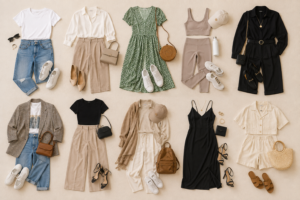
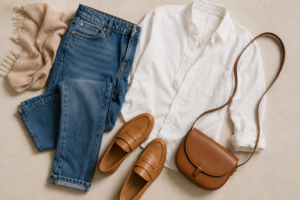
Everyday outfits get the most wear, so they’re worth getting right. A reliable everyday outfit usually includes:
- A well-fitted top (t-shirt, blouse, or button-down)
- Bottoms that suit your body shape (jeans, chinos, or a skirt)
- Comfortable but clean footwear
- One accessory or layer that adds personality — a jacket, scarf, or statement watch
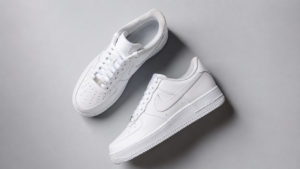
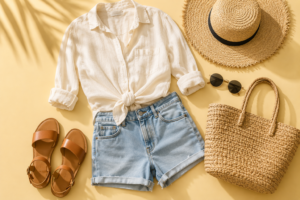
For example, a plain white tee tucked into high-waisted jeans, paired with white sneakers and a denim jacket, is simple but consistently flattering across body types and seasons. The goal with casual outfits is comfort first, with just enough intention that it doesn’t look thrown together.
Layering for Changing Weather
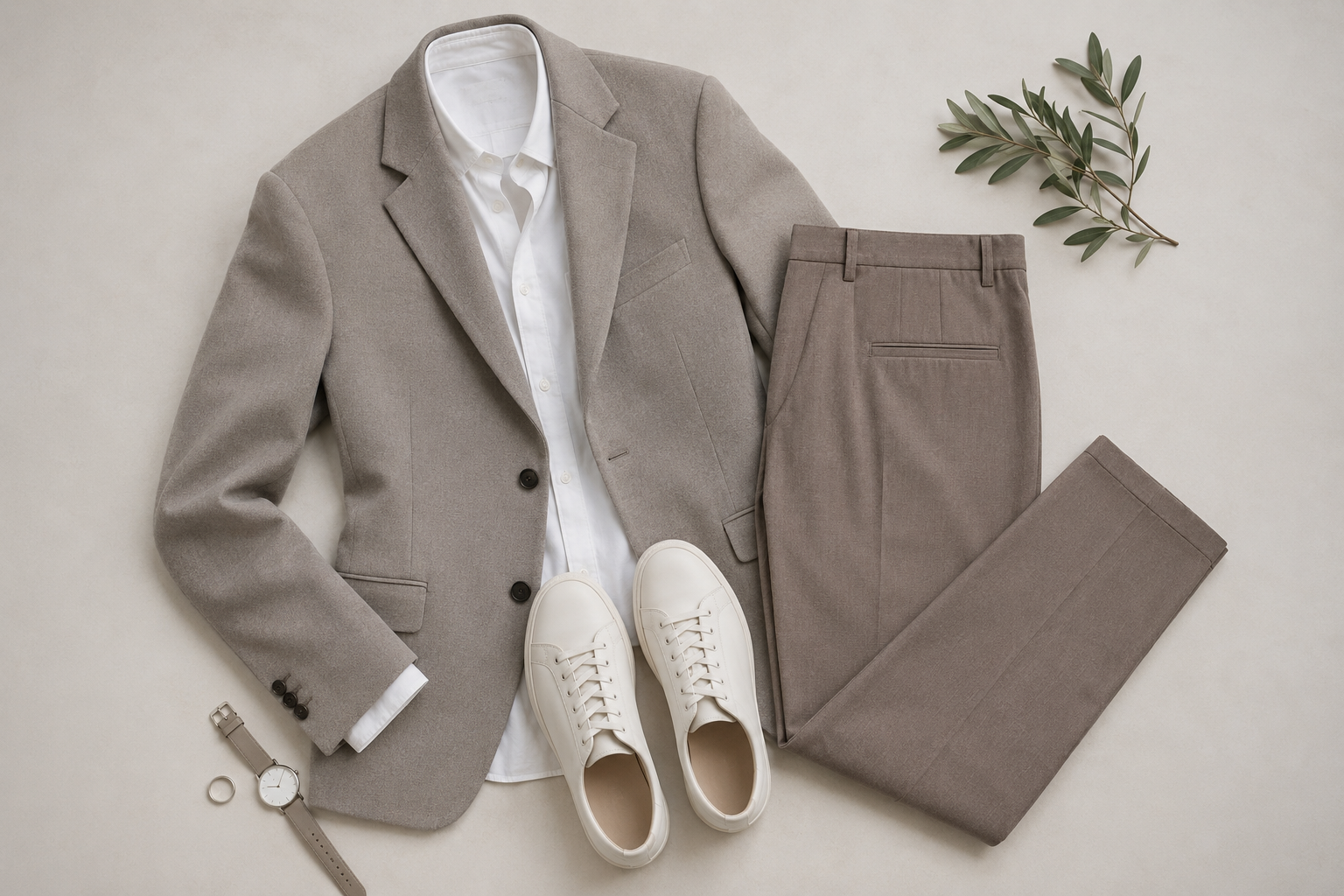
Layering isn’t just practical — it also adds visual depth to an otherwise simple outfit. A light sweater over a collared shirt, or a blazer over a t-shirt, instantly elevates a casual look without much extra effort. Stick to layers in complementary colors so the outfit still feels unified rather than random.
How to Put Together Formal Outfits
Formal outfits tend to intimidate people because the margin for error feels smaller. In reality, formal dressing follows clearer rules than casual dressing, which actually makes it easier once you know them.
Formal Outfits for Men
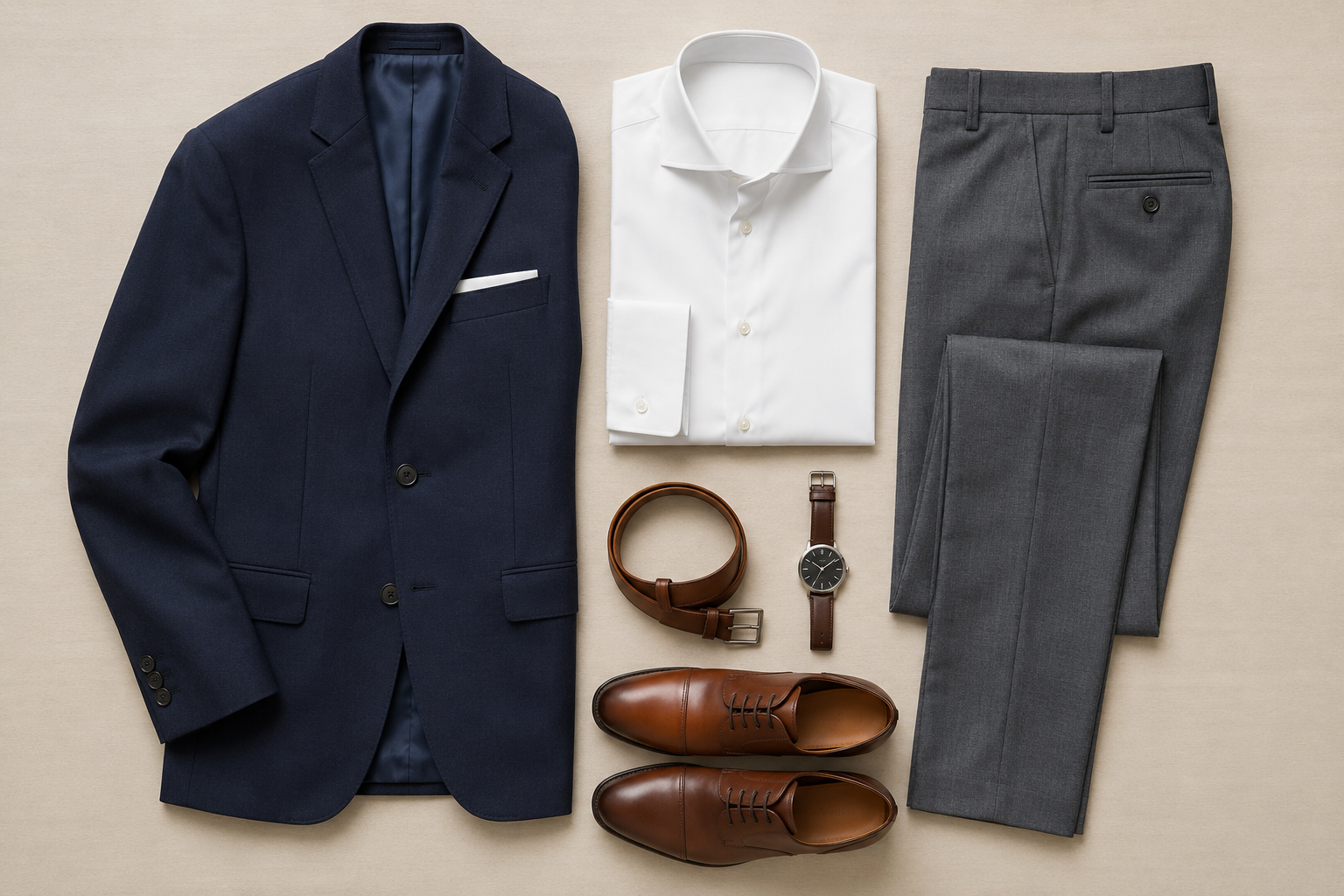
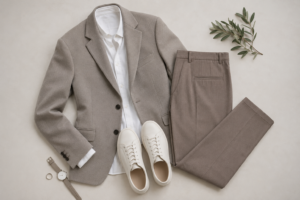
A classic formal outfit for men typically includes:
- A tailored suit or blazer in a neutral color (navy, charcoal, or black)
- A crisp dress shirt, ironed and properly fitted at the collar and cuffs
- A tie or pocket square for added polish (optional depending on formality level)
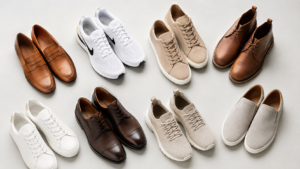
- Leather dress shoes that match the belt color
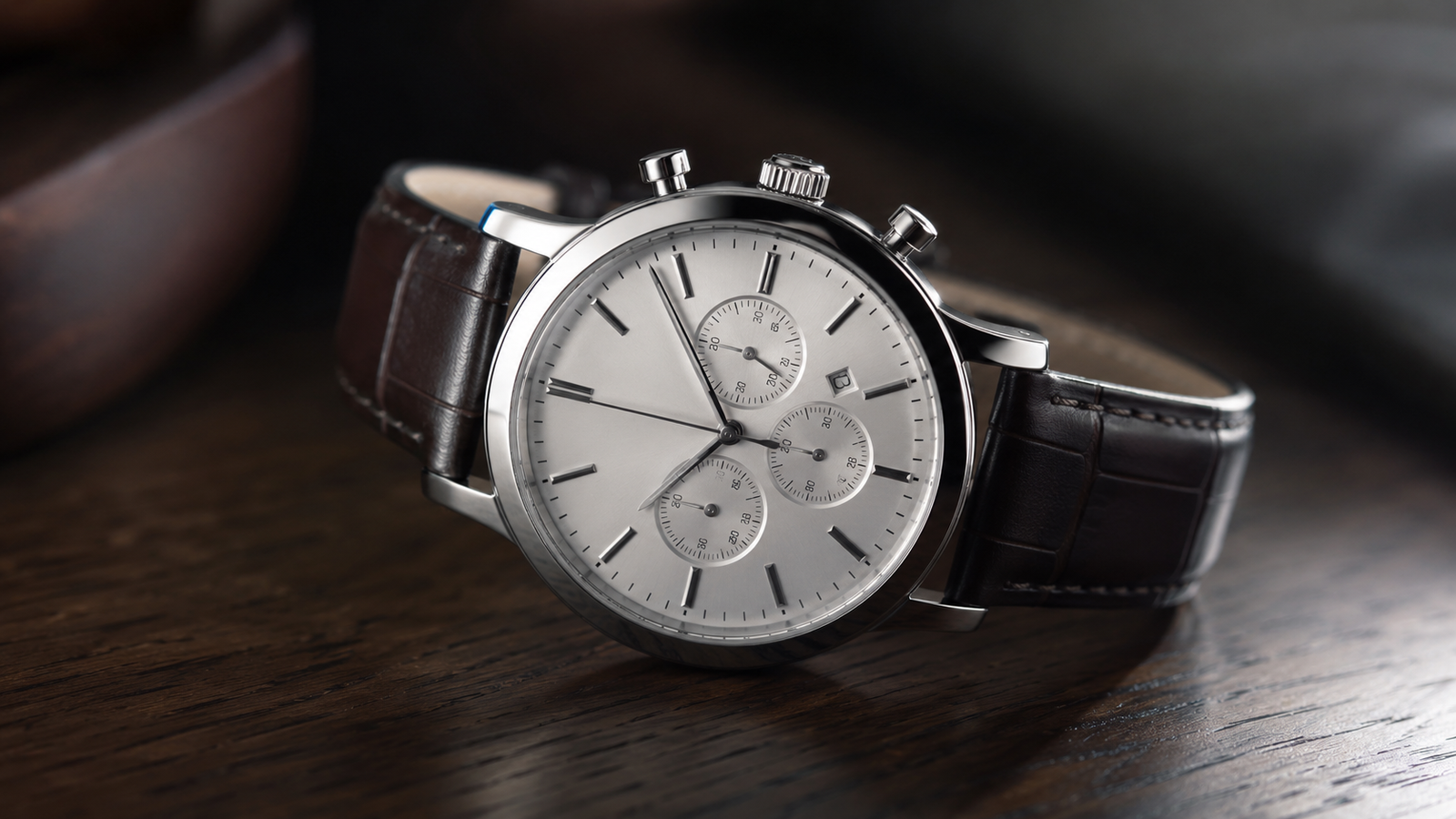
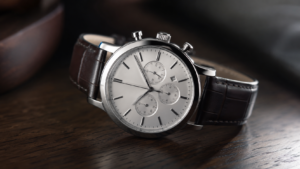
- Minimal accessories — a watch is usually enough
The biggest factor separating a good formal outfit from a mediocre one is fit. An off-the-rack suit that’s been tailored to your shoulders and sleeve length will always look sharper than an expensive suit that doesn’t fit properly.
Formal Outfits for Women
For women, formal outfits generally fall into a few reliable categories:
- A tailored dress in a solid color or subtle pattern, at a length appropriate for the event
- A structured pantsuit for a more modern, professional formal look
- A blouse and skirt combination with a blazer for business-formal settings
- Closed-toe heels or polished flats, depending on the dress code
- Understated jewelry that complements rather than competes with the outfit
A navy or black midi dress paired with nude heels and delicate gold jewelry is a dependable formal outfit that works for weddings, dinners, and formal work events alike.
Matching Formal Outfits to the Dress Code
Not all “formal” events are the same. It helps to distinguish between:
- Business formal – Suits, blazers, conservative dresses; think job interviews or client presentations.
- Semi-formal – Cocktail dresses, dress shirts without a tie, smart separates.
- Black-tie – Tuxedos, floor-length gowns, the highest level of formality.
Checking the invitation or event details before choosing your outfit can save you from being under- or overdressed, which is often more noticeable than people expect.
Color Combinations That Always Work
If you’re unsure where to start, these color pairings are close to foolproof for both casual and formal outfits:
- Navy and white
- Black and beige
- Grey and burgundy
- Olive green and cream
- All-black (a formal outfit staple)
Sticking to a maximum of three colors in one outfit — including shoes and accessories — keeps things looking intentional rather than busy. For more ideas, check out our guide to building a capsule wardrobe on the blog.
Accessorizing Without Overdoing It
Accessories can make or break an outfit, but the rule of thumb is restraint. A good general guideline: once you’ve put on all your accessories, remove one. This keeps the focus on the outfit as a whole rather than any single piece competing for attention.
For formal outfits especially, simpler is usually better — a fine watch, small earrings, or a leather belt will read as more sophisticated than multiple statement pieces worn together.
Common Outfit Mistakes to Avoid
Even with good intentions, a few recurring mistakes trip people up:
- Ignoring fit – Clothes that are too tight or too loose undercut even the best color choices.
- Overdressing or underdressing – Not checking the dress code ahead of time.
- Too many patterns at once – Mixing more than one bold pattern can visually overwhelm an outfit.
- Wrong shoes for the occasion – Sneakers with a formal outfit (unless intentionally styled) can undercut an otherwise polished look.
- Skipping alterations – A $30 tailoring fee can make a $50 outfit look like a $300 one.
Frequently Asked Questions
What is the difference between formal and semi-formal outfits? Formal outfits require the highest level of dress — suits, tuxedos, or floor-length gowns — while semi-formal allows more flexibility, such as cocktail dresses or dress shirts without a tie.
How do I choose an outfit if I’m unsure of the dress code? When in doubt, it’s safer to be slightly overdressed than underdressed. A blazer or structured piece can always be removed if the event turns out to be more casual than expected.
Can I wear the same outfit to multiple formal events? Yes, as long as it’s cleaned and pressed between wears. Changing accessories, shoes, or a layer (like a different blazer) can also make a repeated outfit feel fresh.
What’s the easiest way to build a versatile wardrobe? Focus on neutral-colored basics that mix and match easily — a few well-fitted tops, one or two blazers, versatile bottoms, and shoes that pair with both casual and formal outfits.
Do accessories really make a difference in an outfit? Yes. The right accessory can elevate a simple outfit, while too many can make even a well-planned outfit look cluttered. Aim for one or two focal accessories per look.
For a broader look at seasonal style trends, resources like Vogue’s style guides can offer additional inspiration beyond the basics covered here.
Final Thoughts
Choosing the right outfit doesn’t have to be complicated once you understand the basics: fit, color coordination, and matching the occasion. Whether you’re building an easy everyday look or figuring out formal outfits for a big event, the principles stay the same — keep it simple, prioritize fit, and dress with the occasion in mind.
If you’re planning your next formal event or just want to refresh your everyday wardrobe, start by auditing what you already own and identifying gaps in fit, color, or versatility before buying anything new. Small, intentional choices add up to an outfit — and a wardrobe — that actually works for you.


Post Comment